The thing nobody tells you about new relationships and toys
You've been dating for a few months. Things are good. The sex is good. And then you think about mentioning that you use a lemon vibrator, or you're curious about trying one, and suddenly your stomach does that thing where it ties itself in a knot. What if they think you're not satisfied? What if they think you're asking them to be replaced? What if they judge you?
Here's what I've learned from working with couples: the conversation is almost always less fraught than the anticipation of it. And certain toys make the conversation easier than others.
Why a lemon vibrator is actually the perfect conversation starter
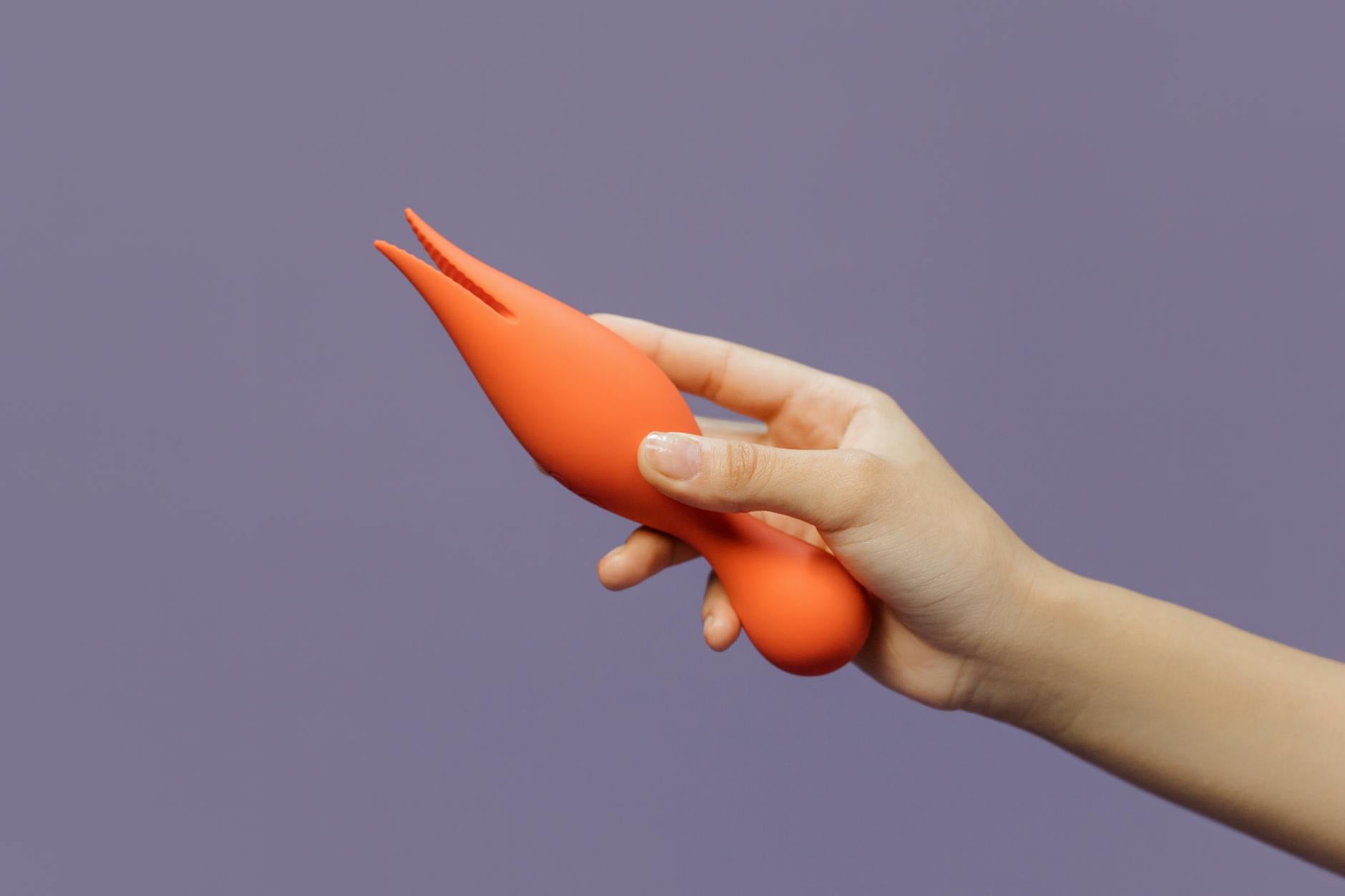
Let me explain the psychology here. A lemon clitoral vibrator like the Lem is not a penetrative toy. It's not a replacement for anything. It's a tool that works on the clitoris, which has eight thousand nerve endings and responds to stimulation in ways that fingers alone often can't match. When you frame it that way, it stops feeling like a threat and starts feeling like useful information about your own body.
The other thing that makes lemon sexual toys easier to discuss: they're beautiful and innocuous-looking. They don't scream "industrial equipment." They look like thoughtful design. That matters because the conversation doesn't start with a person feeling defensive about what the toy represents. It starts with curiosity.
When to have the conversation (and when not to)
Timing is everything. Don't bring this up during sex, before sex, or when you're both rushing out the door. The worst time is also when you're already frustrated or disappointed with your current sex life. That weaponizes the conversation.
The best time is calm, clothed, and neutral. Maybe you're sitting on the couch, or walking somewhere together. Something about standing or moving side by side makes vulnerable conversations feel less intense. Sitting across from each other at a table can feel confrontational by accident.
Also check the context. If you've been together three weeks, this is premature. If you've been together eight weeks and sex is happening regularly and with genuine enthusiasm, you have enough foundation to bring it up. By the time you're a few months in, you should have enough trust that a simple question doesn't feel like an attack.
The exact words to use (and what not to say)
Don't open with: "I want to use a vibrator during sex." That sounds like an instruction.
Don't open with: "I need a vibrator to orgasm." That sounds like a deficit.
Do open with curiosity or experience: "I've been thinking about exploring what works for my body during sex, and I'm curious what you think about toys." Or: "I've used a lemon vibrator on my own, and I really like it. Would you be open to me using one when we're together?"
The second version is stronger because it's honest. You're not asking permission. You're inviting them in.
What to expect (and how to handle each response)
Response one: "Cool, tell me more." This is the easiest path. They're curious. You explain that lemon clitoral vibrators work through suction or gentle vibration on the clitoris, that many people find them useful, and that using one during partnered sex doesn't mean anything is wrong. Then you ask if they want to be involved or if they'd rather let you use it solo while you're together. Both are valid.
Response two: "I'm not sure about that." This is hesitation, not refusal. Hesitation usually comes from one of three places: shame about sex in general, worry that they're not enough, or just unfamiliarity. You can address each. "This isn't about you. My body just responds to different types of stimulation. Some people need glasses to see better. This is similar."
Response three: "No, I don't want that." Okay. You have a choice now. You can accept that boundary, or you can dig deeper into why. If it's a hard dealbreaker for them, you need to know that early. If it's something else (fear of being replaced, religious messaging about sex, bad past experience), that might be something you two can work through. But you can't work through something you don't understand.
How to actually use a lemon vibrator together the first time
Don't make it a big production. You're not performing a clinical demonstration. You're just adding one small element to sex you already enjoy.
Start solo. Use your lemon clitoral vibrator on yourself while they're inside you or while you're touching each other. Let them see how you use it. Let them watch your body respond. That's educational without being awkward, and it shifts their brain from "threat" to "interesting."
If they want to be hands-on, guide them. Show them the patterns you like. Show them where the sensation works best. Most people who are nervous about toys relax the moment they realize they're still the primary person you're focusing on. They're just getting a helper.
Talk about what feels good. "That pattern makes me feel amazing." "I like when you combine that with touching me here." The conversation during sex is actually less vulnerable than the conversation before it.
The conversation you might need to have if they're still uncomfortable
If weeks go by and they're still pushing back, you need to ask directly: "I want to understand what makes you uncomfortable about this. Are you worried I won't want you anymore? Are you worried you're not enough? Are you worried it means something bad about our relationship?"
Often the real concern isn't about the toy at all. It's about something deeper, like worry that you'll lose interest in them, or shame about sex in general, or messages they absorbed a long time ago about what pleasure "should" look like.
You can't solve that with a better explanation of why lemon vibrators are useful. You solve it by asking them what they actually need to feel secure, and then figuring out if that need and your need for sexual exploration can coexist.
Spoiler: they almost always can.
Why this conversation matters for your relationship
Here's the thing about intimate relationships. Early on, everything feels delicate. You're both tiptoeing around who you really are. And at some point, you either start being honest about your actual desires and needs, or the relationship becomes a performance. The performance doesn't scale. Eventually, something cracks.
Having the conversation about lemon sexual toys, or any toy, or any desire, is practice for being honest. It's a low-stakes way to say, "This is what I want, and I need you to hear me without getting defensive." And it's a chance for them to practice saying, "I hear you, and I'm willing to try things I'm uncertain about because I trust you."
That skill transfers to everything else. Money arguments. Family boundaries. How you raise kids. What you need when you're struggling.
So don't frame this as "a conversation about a vibrator." Frame it as practice in being real with each other. The lemon vibrator is just the vehicle.
If you're in a relationship where this conversation feels genuinely unsafe
I want to be direct about this. If you're worried that bringing up your own pleasure, or your curiosity about toys, will result in anger, dismissal, or control, that's not a communication problem. That's a relationship problem.
You deserve a partner who can hold your desires without feeling threatened. You deserve someone who can hear "I want to use a lemon clitoral vibrator" and respond with curiosity instead of defensiveness. If that's not what you have, the toy isn't the issue. The foundation is.
If that's your situation, consider talking to a therapist before you talk to your partner. You might need support figuring out whether this relationship has room for you to be yourself.
What to do if you're the partner hearing this conversation
If someone brought this to you, try to hear what they're actually asking. They're asking for permission to explore their own body. They're asking you to be secure enough to say yes. They're asking you to be curious instead of defensive.
It's okay if you need a moment to process. It's okay if you feel nervous at first. But try to move past the initial reaction. Ask questions. Get curious about what appeals to them. Watch how to use a lemon vibrator for solo pleasure without partner pressure, if that helps you understand the context.
Your ability to say yes to this, even if you feel uncertain, is one of the most generous things you can do for a relationship. Because you're saying: I love you enough to grow. I trust you enough to try. Your pleasure matters.
Frequently asked questions
What if they ask why you want a toy if they're enough?
This is probably the most common pushback. Here's a reframe: "If I eat a steak and love it, and then you make me pasta, I'm not saying the steak wasn't good. I'm just saying pasta is also good. My body responds to different types of stimulation. That's not about you."
You could also be more direct: "This isn't about you being enough. This is about my body's capacity for pleasure, which is separate from our relationship."
Should I show them the toy before using it?
Yes. Let them hold it if they want to. Let them see how it actually works. Familiarity kills a lot of the anxiety. Some people also want to look up reviews together or read about how lemon clitoral vibrators work. That's actually great because it puts you on the same team.
What if they want to be involved but I prefer solo?
You can use it solo while they're in the room. You can use it together sometimes and solo other times. You're allowed to have preferences about how you use your own body. That boundary is not rejection of them.
Is it weird to use a lemon vibrator during partnered sex?
No. Many people do. It's especially useful if partnered stimulation doesn't quite get you there on its own. You're not replacing them. You're finishing a puzzle.
What if the conversation goes badly?
Then you know something important about your relationship. You know your partner isn't ready to hear about your desires without getting defensive. That's fixable, but it requires more than just a better script. It might require couples counseling or a deeper conversation about emotional safety. Don't ignore it and hope it gets better. It usually gets worse.
Should I surprise them with a lemon vibrator during sex?
No. Surprises in sex only work if you already know someone is open to them. Otherwise, you're putting them in a position where they have to react in real time. Give them the heads-up.
The bottom line
Introducing a lemon clitoral vibrator to a new partner is not a risk. It's information. It's you saying: here's what I enjoy. Here's what my body needs. I'm inviting you to understand that. A secure partner will hear that and feel closer to you, not further away.
The conversation itself is the point. It's practice in being vulnerable with someone and having them respond with curiosity instead of judgment. That's what builds real intimacy.