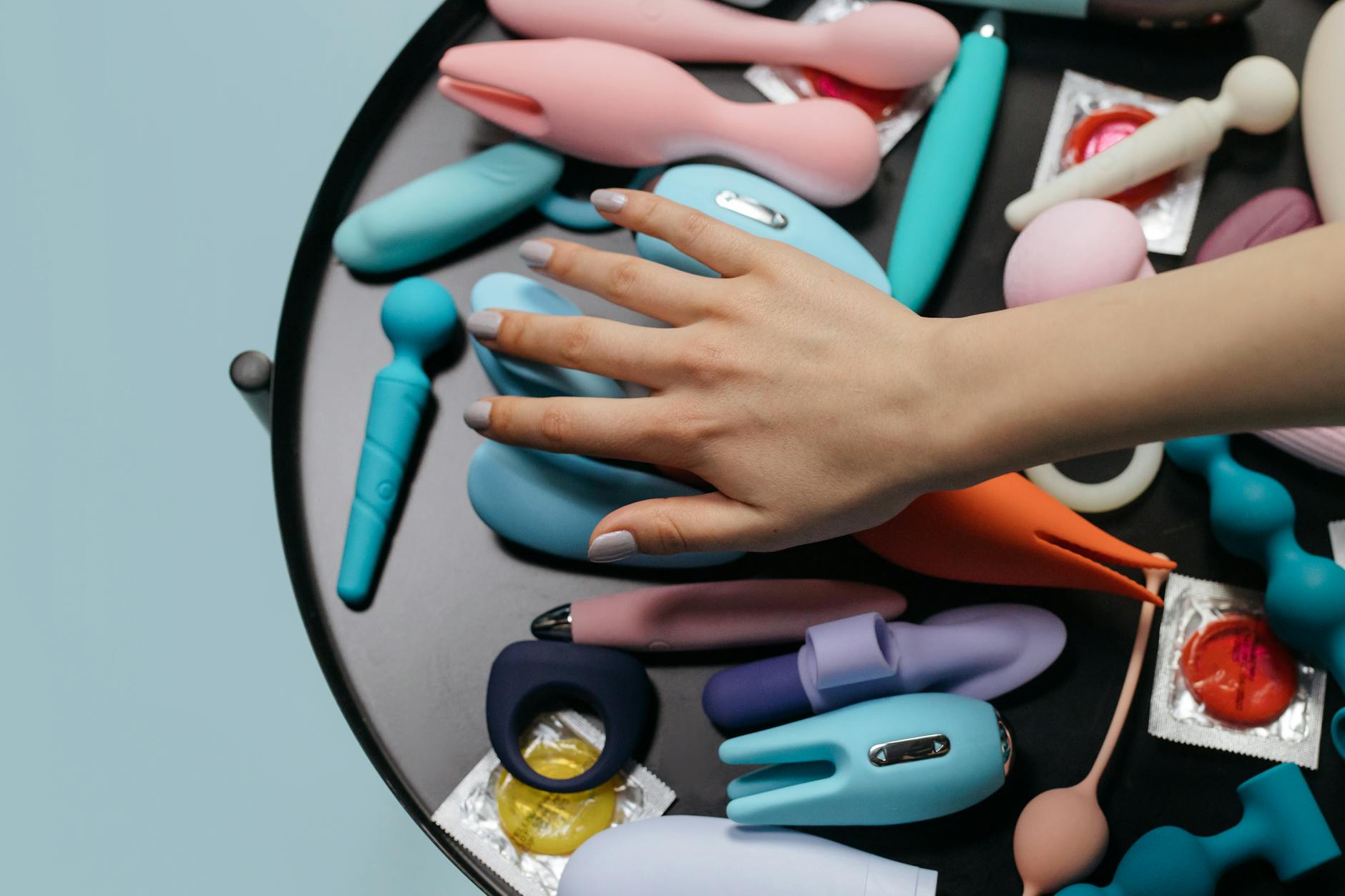
The thing no one tells you about vibrators
Clitoral anatomy is wildly different from person to person. Your hood depth, glans size, and tissue sensitivity aren't random. They shape what feels good in completely predictable ways. Yet most vibrator shopping happens blind. You either guess or follow what worked for your friend. That's backwards.
Here's the framework I use with clients to narrow down which lemon vibrator will actually be your person.
Why your anatomy matters more than the brand
I've worked with hundreds of people who bought expensive toys that felt mediocre because the toy didn't match their body. A luxury lemon vibrator that's too broad for your clitoral glans creates pressure that feels blunt, not sharp. One that's too narrow misses the target entirely. This isn't a preference issue. It's physics.
The good news: once you understand your own anatomy, finding the right clitoral vibrator becomes straightforward. You're not shopping for the toy the influencer loves. You're shopping for the toy that fits.
Start here: hood depth and clitoral glans size
Your clitoral hood is the fold of skin covering your clitoris. Its depth determines how much pressure you need to feel anything at all. If your hood is deep (meaning your clitoris sits pretty far back), direct, intense stimulation through the hood often won't cut it. You need either longer contact time to warm things up or a toy with strong suction that can pull the hood back.
Your glans size also matters wildly. The clitoral glans is the actual nerve cluster at the tip. Smaller glans respond better to focused, pinpointed sensation. Larger glans often prefer broader contact, more diffuse pressure. A lemon vibrator with a narrow tip will feel amazing on a smaller glans and underwhelming on a larger one.
How do you know yours? Easy.
When you're aroused (seriously, this only works when you're already turned on), use a mirror and look at the external structure. Can you see your clitoral glans clearly, or is it mostly covered by hood tissue? Does your glans look like a pearl or more like a small almond? This takes 30 seconds and changes everything.
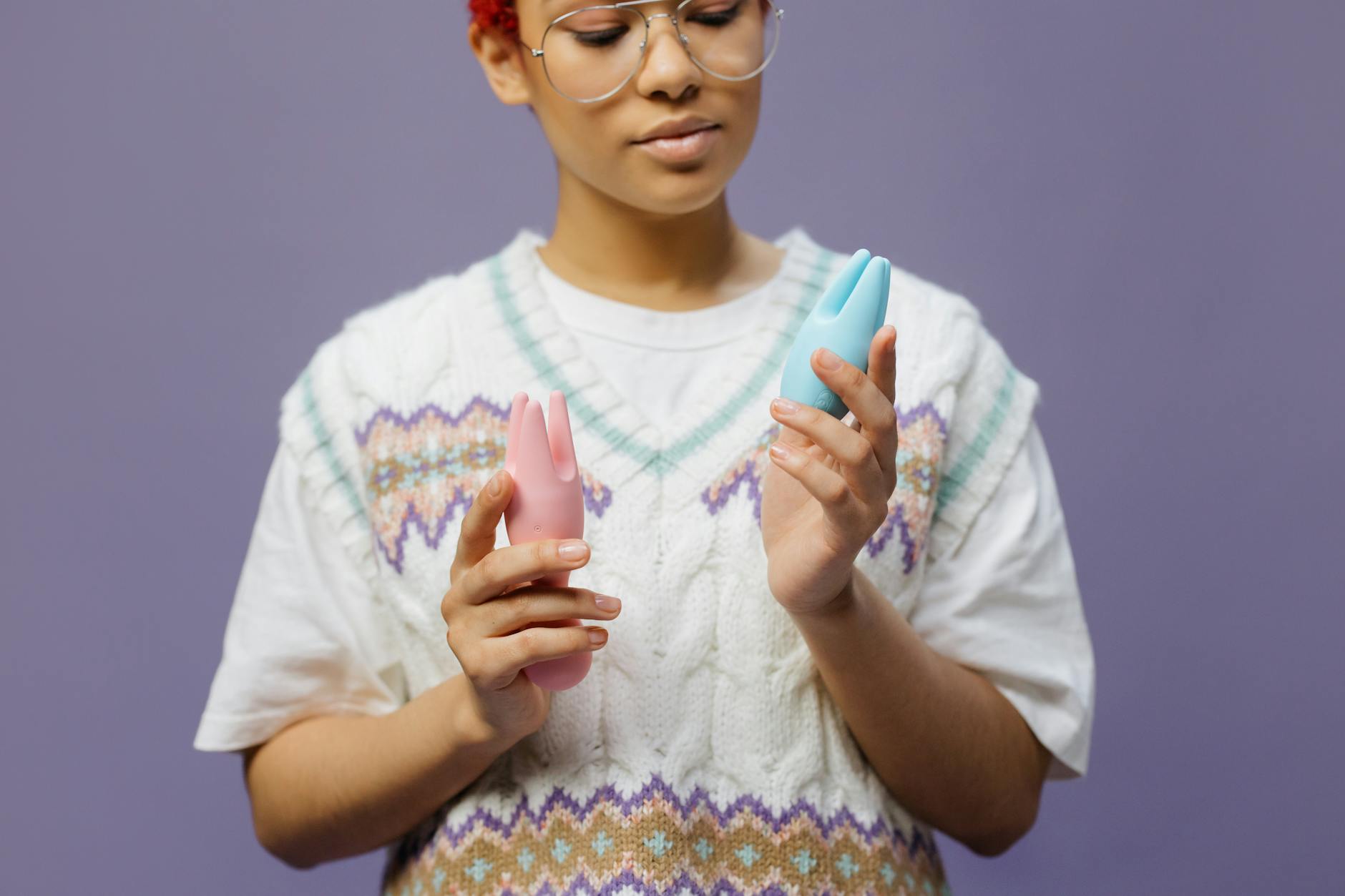
Photo by cottonbro studio on Pexels
The sensitivity map: internal vs. external, high vs. low
Next, understand your stimulation zones. Most people have a preferred spot: some are all about the glans itself, others respond better to the shaft or the hood. Some people's entire clitoris feels good when excited; others have one hyper-responsive zone and need very light touch everywhere else.
Honestly though, the fastest way to figure this out is solo exploration for 10 minutes. Touch different areas. Notice where you feel an actual spark of sensation versus just pressure. That information is gold when choosing a toy.
From there, consider sensitivity level. Are you someone who needs a lot of stimulation to feel anything? Or does light touch already feel like too much? Your answer determines whether a gentle lemon vibrator with soft patterns suits you or whether you need something with more power.
Toy width and glans coverage
This is where most people get it wrong. They assume bigger is better. In reality, bigger is only better if it matches your anatomy.
A narrow lemon clitoral vibrator (think the width of a pencil eraser) works best for people with smaller glans or very concentrated sensitivity. It delivers pinpointed sensation without excess surface contact. The Lem, for instance, uses a gentle air-pulse mechanism with a narrower opening, which makes it ideal for anyone who finds direct vibration irritating or whose clitoris responds better to suction than rumbling pressure.
Medium-width toys work for most bodies and most preferences. They give you enough contact to feel the stimulation without being overwhelming.
Broader toys suit larger glans or people who find narrow contact doesn't feel like enough. The more surface area the toy covers, the more diffuse the sensation. That's not worse, it's just different.
The reality: if your preferred spot is under your hood or your glans is toward the smaller side, a narrower lemon vibrator will likely outperform a wider one. If you're highly sensitive to direct pressure and need gentler input, look for toys with softer edges and adjustable intensity.
Vibration pattern vs. suction vs. pulsing
All clitoral vibrators work through three main mechanisms: vibration (a buzzing sensation), suction (gentle pulling), or pulsing (rhythmic on-off patterns). Your nervous system responds differently to each.
Vibration is high-frequency noise that creates intense, almost electric sensation. Some people love it immediately. Others find it overstimulating or even numbing over time. If you're someone whose clitoris becomes less responsive the longer you use a toy, intense vibration might be part of the issue.
Suction (like air-pulse technology) creates the sensation of gentle pulling, which can feel softer and more intimate than vibration. It's particularly effective if your clitoris is deeply hooded because the suction can pull tissue forward, making your glans more accessible. A lemon sucker design works brilliantly for people who find direct vibration too sharp.
Pulsing combines the two. It's rhythmic and can feel more natural than constant vibration. Many people find pulsing patterns easier to orgasm with because the rhythm gives your body something to sync with.
How hormones shift what works
One more thing: your ideal vibrator isn't static. Hormone fluctuations change tissue sensitivity, blood flow, and how quickly you respond to stimulation. If you've ever noticed that the same toy feels different on different days of your cycle or at different life stages, that's real.
During high-estrogen phases, your clitoris engorges more readily, sensitivity increases, and you might prefer gentler input. During low-estrogen phases (late cycle, post-menopause), you might need longer warm-up and more sustained pressure. This is why having a lemon vibrator that lets you adjust intensity makes such a difference. You're not locked into one setting.
Material and comfort matter more than you think
The toy's material affects how it feels against your skin and how easy it is to keep clean. Medical-grade silicone is body-safe, easy to wash, and feels smooth. Some people prefer the slight give of silicone; others find it too soft and want something firmer.
Material also affects how the toy handles lubricant. Silicone toys work beautifully with water-based lube (which is what you want, anyway). If you use silicone-based lube, it can degrade silicone toys. Small thing, but it matters.
Shape matters too. A toy that nestles into your vulva naturally, rather than sticking out awkwardly, feels more integrated. That comfort is part of pleasure, not separate from it.
The one thing that actually predicts fit
After all of this, the single best predictor of whether a lemon vibrator will work for you is this: does it let you control intensity? If a toy has only one setting, you're gambling. If it has adjustable patterns and speeds, you can dial in what your body needs right now.
Because here's the thing. Your body changes. Your preferences shift. What felt perfect three months ago might feel different today. A toy with range lets you adapt instead of feeling stuck with something that no longer fits.
Building your own toolkit
Honestly, the people I work with who report the best experience aren't the ones who bought the fanciest single toy. They're the ones who started by understanding their own anatomy, then picked one toy that genuinely matched it. After that, if they wanted another toy, they chose something that complemented the first rather than replacing it.
Maybe you start with a gentler lemon vibrator for quickies or when you're less sensitive. Then later you add something with more intensity for days when you need sustained stimulation. Or you pick toys with different widths for different moods.
The framework works because it's not about the toy. It's about matching the tool to your body's actual needs.
People also ask
What size lemon clitoral vibrator is best for beginners?
Beginners often worry they should start small, but size isn't the real factor. What matters more is adjustability and gentleness. If you're new to toys, look for a lemon vibrator with multiple intensity levels so you can start low and increase as you get comfortable. A narrow, air-pulse style toy often feels more approachable than broad, high-vibration toys because the sensation is more localized and easier to control.
Can a lemon vibrator be too small for my clitoris?
Yes, but probably not in the way you're thinking. A toy can't be too small in terms of actual size, but a toy designed for pinpoint stimulation might feel insufficient if your glans is large or your preference is broad contact. If you've tried a narrow lemon vibrator and felt nothing, you likely need something with wider surface contact or more intensity. That's not a problem with the toy; it's useful information about what you need.
How do I know if I need a high-power or low-power vibrator?
Low-power toys feel gentle, almost subtle. High-power toys create intense, buzzy sensation. Start with adjustable intensity so you can experiment without commitment. If you find yourself always cranking a toy to maximum setting, you probably prefer higher power. If you never go above medium intensity, you're likely someone who enjoys gentler stimulation. Your patterns will tell you what you need.
Is suction or vibration better for sensitive clitorises?
It depends on the type of sensitivity. If direct pressure causes pain or irritation, suction (like a lemon sucker design) is usually gentler because it pulls rather than pushes. If your clitoris feels numb to vibration, you might need a different pattern like pulsing, or you might benefit from longer warm-up time and lubricant. Sensitive doesn't have one solution. It just means you need to match the tool carefully.
Should I buy the most expensive lemon vibrator available?
Price doesn't correlate with fit. A toy that costs half as much but matches your anatomy will outperform an expensive toy that doesn't. Invest in understanding what you actually need first, then pick a well-made toy that delivers that. Quality matters, yes, but so does alignment between your body and the design.
Can I use the same lemon vibrator forever, or will my body adapt?
Your body can become less responsive to a toy over time, especially if you use the same pattern constantly. This isn't permanent desensitization. It's just habituation. The fix is simple: switch patterns, take breaks, or rotate between toys if you have them. Changing intensity levels or using lube differently can also reset sensation. Your body isn't broken; it just likes novelty.
The real work happens before you buy
Choosing the right lemon vibrator isn't about finding the most popular toy or the prettiest one. It's about understanding your own body well enough to know what you need. That's the hard part, and it's also the part that actually matters.
Once you know yourself, picking a toy becomes simple. You're not guessing. You're choosing based on real information about real anatomy. And that's when toys actually transform your experience instead of just sitting in a drawer.