Let's start with the honest part
Your clitoris doesn't retire. It does, however, change how it responds to stimulation depending on what's happening hormonally. Most conversations about hormonal shifts and pleasure skip this detail entirely, leaving people thinking they're broken when they're just adjusting to new wiring.
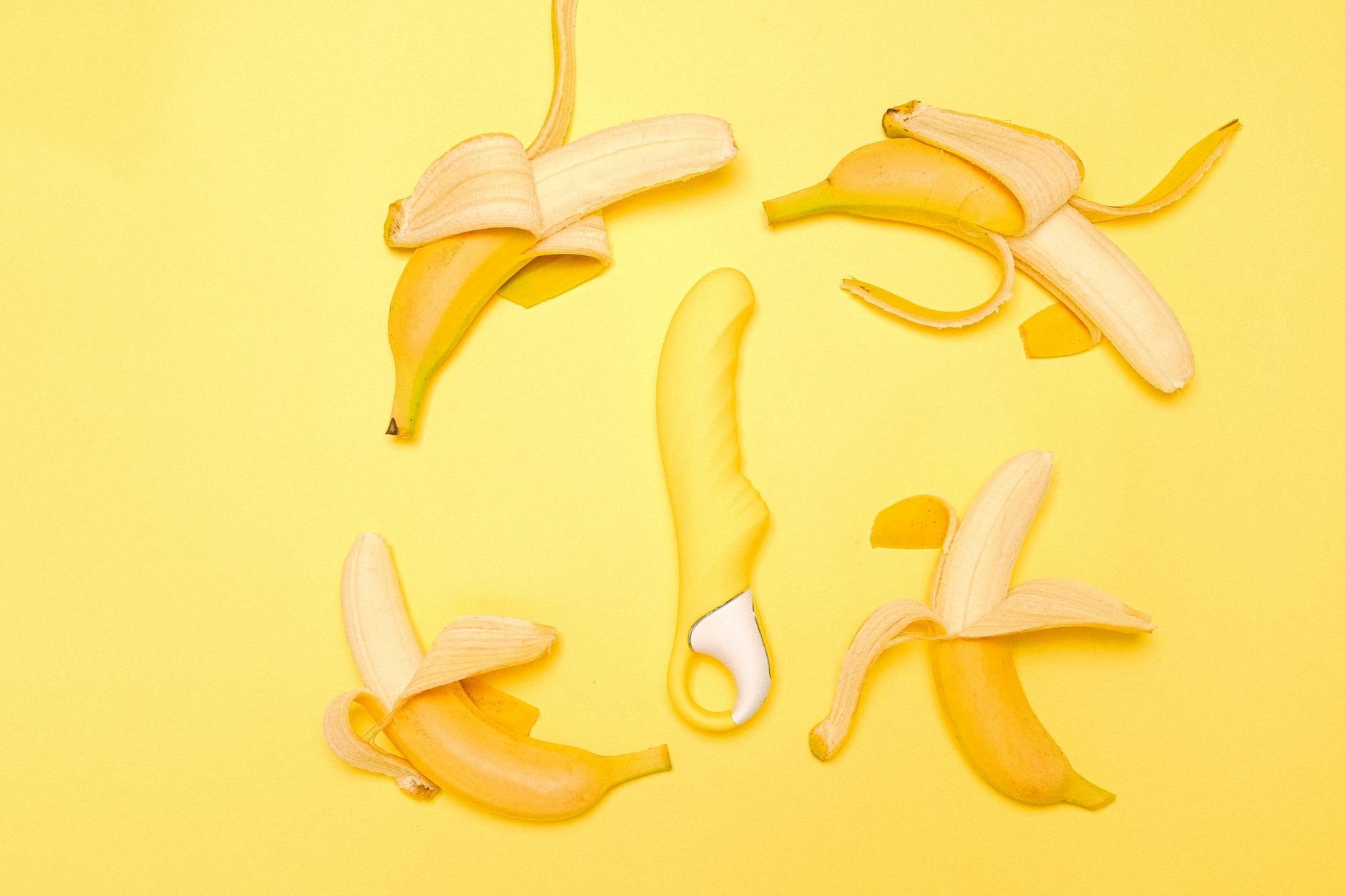
Here's what actually matters: a lemon vibrator, especially one that uses suction technology like the Lem, is specifically designed to work with these shifts rather than against them. Understanding how and why can transform your pleasure experience at any life stage.
What hormonal changes actually do to clitoral sensitivity
Estrogen fluctuations change clitoral tissue thickness and blood flow responsiveness. Progesterone can dull sensation during certain windows of your cycle. Birth control hormones flatten arousal curves entirely. Perimenopause and menopause alter blood flow to genital tissue, making some types of direct stimulation feel less effective or even uncomfortable.
But here's the part no one explains: suction-based stimulation like lemon vibrators work differently than traditional vibration. Instead of friction against tissue, suction creates a gentle pulse that stimulates nerve clusters without requiring the same amount of direct pressure. This matters when your sensitivity is unpredictable.
Many people find that after hormonal shifts, suction toys become their highest-pleasure tools. Not because vibration stops working, but because suction adjusts dynamically to your tissue state.
Why lemon vibrators adapt better than standard vibrators
Three reasons lemon clitoral vibrators and suction-based toys handle hormonal changes more smoothly:
1. Variable intensity without pain. Standard vibrators have one job: vibrate harder. When your clitoris is sensitive or tissue is thinner, ramping up intensity increases discomfort. Suction toys like the Lem pulse at different intensities without the same mechanical pressure. You can explore deeper sensation without brute force.
2. Less friction, more nerve stimulation. Traditional vibrators stimulate through vibration against tissue. Lemon suction vibrators stimulate through gentle pressure changes. If your clitoral hood feels thin or raw during hormonal peaks, friction becomes a problem. Suction bypasses that friction entirely while still engaging the 8,000-plus nerve endings in your clitoris.
3. Responsive to your body state. This is the game-changer. A lemon vibrator's suction pulse adjusts in real time as blood flow shifts during arousal. Your clitoris gets engorged, the seal adjusts automatically, and sensation deepens without you having to switch modes or apply more pressure manually.
How to adapt your Lem vibrator settings through different hormonal phases
If you're cycling through menstrual phases, you don't have to abandon your Lem during low-sensitivity windows. Here's how to adjust:
High-estrogen phases (ovulation window, days 12-16 of a typical cycle). Your clitoris is engorged and highly sensitive. Start with patterns 1-3 on your lemon vibrator and stay there. The suction seal is more responsive now, and you'll find that lower settings produce deeper sensation than you'd expect. This is not the time to jump to pattern 7.
Low-estrogen phases (period and luteal window). Sensitivity tanks, tissue feels less responsive. Now is when you explore the full range of your lemon vibrator. Patterns 5-8 become accessible without discomfort. Longer warm-up time matters more here. Budget 20-30 minutes rather than 10.
Breakthrough bleeding or spotting phases. Your clitoris gets tender and congested. Back off intensity entirely. Lem's gentler patterns paired with water-based lubricant become essential. Think of this as maintenance mode, not peak pleasure mode.
If you're on hormonal birth control, sensitivity is likely flatter and more consistent across the month. That's actually useful: you can build a reliable Lem routine without chasing variables. But it also means you might need slightly higher intensity overall to reach the same nerve activation.
The role of lubrication when hormones shift
Lubricant isn't a sign that something's wrong. It's a fundamental tool that becomes more important as hormones fluctuate. Here's why it matters with lemon vibrators specifically:
Suction toys create a seal against tissue. That seal works better with lubrication because moisture allows the seal to form without tugging at skin. During low-estrogen phases when natural lubrication dips, adding water-based lubricant creates better suction contact and prevents the micro-irritation that can come from a dry seal.
I recommend silicone lube with suction toys like the Lem. It lasts longer, feels richer, and requires less reapplication. Avoid oil-based lubes with silicone toys (they degrade the material), and avoid thick lotions that interfere with the seal.
Apply lubricant to the rim of the toy and your clitoris, then turn on the Lem. The motion helps distribute it evenly. This step transforms the experience from uncomfortable to transcendent, especially during hormonal dips.
When hormonal changes mean you need a different approach
Sometimes clitoral sensitivity shifts so dramatically that even your favorite lemon vibrator stops delivering. This is information, not failure.
If you've always had orgasms and suddenly can't reach them during specific phases, that's pointing to a real hormonal dip. Some options: talk to your doctor about whether birth control timing or dose could shift. If you're in perimenopause or menopause, a hormone panel from a menopause-trained provider can clarify what's happening.
If sensation feels numb or completely absent, that's sometimes a sign of nerve compression from prolonged sitting (common in desk jobs) or a side effect of certain medications. A pelvic floor physical therapist can assess whether the issue is mechanical or truly hormonal.
In almost every case, the solution isn't abandoning your lemon vibrator. It's adapting how you use it while you get the bigger picture sorted.
Building a pleasure routine that survives hormonal shifts
Here's what I tell people who want pleasure that's reliable across their whole life:
Stop expecting your clitoris to respond the same way every day. Instead, track what works in different phases. Keep a simple note on your phone: on day 12 of your cycle, what pattern on your Lem feels best? Day 3? Day 20? After two months, you'll have a map.
Build your routine around that map. High-intensity days, lean into patterns 6-8. Low-intensity days, patterns 1-3. Different lubes for different phases if moisture changes significantly.
This approach removes the shame that comes from "not being able to finish" during certain windows. You're not broken. You're working with biology instead of pretending it's static.
If you share pleasure with a partner, involve them in the map. "On these days, I need more time" or "this phase, a different rhythm works better" becomes practical information instead of rejection.
Common questions about hormonal shifts and lemon vibrators
Can I use my lemon vibrator if I'm on hormonal birth control? Absolutely. Birth control stabilizes your hormonal fluctuations, which means your clitoral sensitivity is more consistent than off-birth control. You might find a sweet-spot pattern on your lemon vibrator that works reliably every day, rather than chasing sensitivity shifts.
Does getting older mean less pleasure with my Lem? No. Clitoral nerve density doesn't decline with age. What changes is tissue thickness and blood flow, which affects how quickly you get aroused and how intense sensation feels. Many people report that post-menopausal pleasure with a lemon vibrator is their most satisfying yet, once they adjust settings and allow longer warm-up time.
What if my clitoris feels oversensitive after my period? That's congestion from blood flow changes. Back off to Lem's gentler patterns (1-3) for a few days. Add lubricant. Shorten sessions to 10-15 minutes rather than 30. This usually settles within 3-4 days as hormones rebalance.
Can hormonal shifts make me lose pleasure permanently? Extremely rarely. What happens more often is that pleasure becomes less accessible in specific phases or requires different stimulation. A lemon vibrator's adaptability is partly why it's such an effective tool through hormonal changes.
Is it normal for my Lem to feel less intense during certain weeks? Yes. Your clitoris's response to suction varies with blood flow and tissue state. During low-sensitivity phases, increase warm-up time and use lubricant generously. The sensation will return as your cycle shifts. Your Lem isn't broken. Your clitoris is just elsewhere in its cycle.
Do I need to use a different lemon vibrator setting if I'm in perimenopause? Perimenopause brings wildly unpredictable sensitivity. Some days your clitoris feels engorged and responsive (classic high-estrogen days). Other days it feels numb (the crash). Start every session with pattern 1 and work upward slowly. This prevents accidentally overwhelming tissue. Many people find that low-pattern suction during perimenopause feels better than high-intensity vibration on traditional toys.
The bottom line
Your clitoris changes. Your lemon vibrator adapts. That's not a problem to solve. That's biology working exactly as it should.
Most of the frustration around pleasure and hormonal shifts comes from expecting static sensation in a dynamic body. Once you stop fighting that reality and instead build a toolkit that respects it, pleasure becomes more available, not less.
Start with warm-up time. Add lubricant. Track what patterns feel best in different phases. Adjust your lemon vibrator based on real feedback from your body, not what you think should work. That's how you maintain pleasure through every hormonal season.
Need help figuring out your ideal approach? Reach out. We're here to help you build a pleasure routine that lasts.