
The mismatch nobody talks about
Your partner is ready. You're not. Not yet. Maybe not for twenty minutes. And somewhere in that gap, you both feel the weight of the unspoken: if you really wanted this, wouldn't it be happening faster?
Here's the thing: arousal isn't binary. It doesn't flip on because someone else is ready. It's a chain reaction in your nervous system, and it takes time. When a partner expects you to match their pace instantly, using a lemon clitoral vibrator becomes frustrating instead of liberating because you're racing against an invisible clock.
Why the expectation exists (and why it's wrong)
Most of what we learned about arousal came from decades of media that showed desire as spontaneous and synchronous. Two people lock eyes, and suddenly they're both in the same place. Sex worked. Reality is messier and slower, especially in long-term relationships.
Add to that: many partners genuinely don't understand that arousal takes longer for people with vulvas. They think you're not interested, or worse, that you don't want them. You end up either faking readiness (terrible for everyone) or pulling away entirely (which feels safer but kills intimacy). A Lem vibrator can bridge this gap, but only if you're not using it under time pressure.
Here's the data twist: when partners pressure for faster arousal, arousal actually slows down. Your nervous system reads urgency as stress, and stress is the opposite of the relaxation your body needs to warm up. The tool isn't the problem. The expectation is.
The conversation that changes everything
Before you even touch a lemon vibrator with your partner present, you need to talk about timing. Not in a clinical way. Just honest.
Something like: "I love when you're into it, but I need about 20 minutes to catch up. That's not rejection. It's how my body works. Can we plan for that? Or start without pressure, and I'll use the Lem once I'm warmed up?"
A good partner will say yes. If they push back or make you feel broken for needing time, that's not actually about the vibrator. That's about whether they see your pleasure as worth the wait.
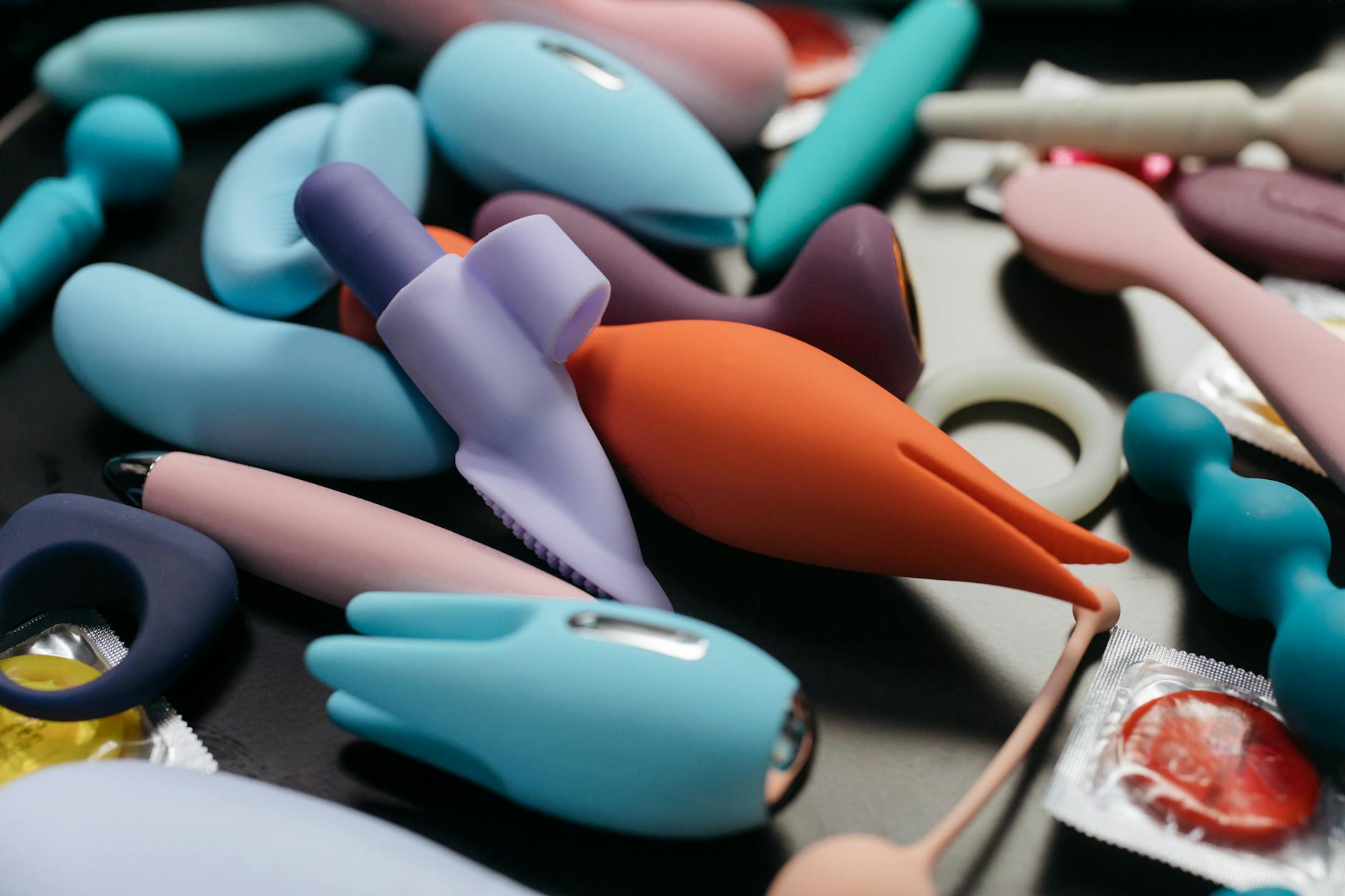
Photo by cottonbro studio on Pexels
Three ways to use a clitoral vibrator without the pressure
Option 1: The warm-up tool. Let your partner know you're going to use the Lem while you're getting comfortable. They can touch you, kiss you, talk to you. The vibrator isn't replacing them. It's giving your nervous system what it needs so you can actually feel what they're doing. A lemon vibrator works especially well here because the suction pattern doesn't require you to do anything but receive. Your partner might find it hot. You're just taking the time you need.
Option 2: The negotiated delay. "Let's kiss and touch for a bit, then I'll grab the Lem." This removes the pressure to be ready instantly and gives you an explicit permission to take ten or fifteen minutes before the vibrator comes out. Your partner knows what to expect. You're not racing. Everyone wins.
Option 3: Solo warm-up. Take the Lem to bed before your partner, or ask for a few minutes alone. Spend ten minutes with a lemon clitoral vibrator, get yourself in the zone, and then invite them in. No shame in this. You're not cheating them out of anything. You're ensuring that when you're together, you can actually be present.
The physical part: why the Lem helps with timing
Clitoral vibrators like the Lem work differently than traditional vibrators. The suction pattern stimulates in a way that doesn't require the same muscular engagement. You don't have to do the work of creating the sensation. You just receive it.
This matters when a partner is present and expecting things to move quickly. A lemon sucker like the Lem can bring you to arousal faster than manual stimulation alone, not because it's magical, but because the sensation is so direct. It's not foreplay. It's legitimate arousal acceleration. Your partner doesn't have to feel sidelined. They're part of the build.
What happens when you slow down and let yourself warm up
Once you stop fighting against the clock, three things shift.
First, your body relaxes. You're not braced against the pressure anymore. Your nervous system can actually process sensation instead of scanning for whether you're "keeping up."
Second, arousal builds differently. You might find that orgasm feels stronger, longer, more integrated into your whole body instead of just a clitoral sensation. When you're not racing, your brain is actually in the experience.
Third, your partner sees you more clearly. When they stop expecting instant readiness and start understanding that you have a rhythm, the dynamic shifts. You're not performing. You're communicating. That's when real intimacy starts.
If your partner won't accept your timing
This is worth addressing directly. "I need time to warm up" is not a negotiable physiological fact. If a partner responds with impatience, resentment, or pressure, that's information. It tells you something about whether your pleasure actually matters to them.
A lemon vibrator won't fix a partner who sees your slower arousal as a problem to overcome instead of a reality to work with. What it can do is give you agency. You can warm yourself up. You're not waiting for someone else to create the conditions for your pleasure. That's genuinely powerful, and it changes the entire dynamic.
If you're stuck in a relationship where your needs feel dismissed, talking to a couples therapist about pacing and expectation alignment is worth considering. You deserve a partner who gets excited about the fact that you want them, not frustrated by how long it takes you to show it.
When the timing gap signals something bigger
Sometimes a partner's expectation of instant arousal isn't really about arousal. It's about feeling wanted. If your partner feels rejected because you need time to warm up, that might point to other disconnections. Are they feeling overlooked in the relationship? Do they worry you're less interested than you used to be?
These conversations are different from the timing conversation. They're worth having, ideally with someone trained in couples work. Arousal mismatch is fixable. Relationship disconnection takes more attention.
The permission you actually need
Here's what I want you to hear: your arousal timeline is normal. Twenty minutes to warm up is not slow. An hour is not slow. Needing to use a tool like a lemon clitoral vibrator to bridge the gap between readiness and desire is not a shortcoming. It's information about your body, and it's useful information.
A good partner will want to know this. They'll want to help create the conditions where you can actually feel good. That might mean giving you space before intimacy. It might mean using a Lem together. It might mean changing the entire rhythm of how you approach sex. All of that is worth it because the alternative is you faking, disconnecting, or resenting them for rushing you.
Your pleasure matters. Your timeline is valid. And if someone makes you feel otherwise, that's the real problem to solve.
FAQ: Arousal timing and lemon vibrators
Why does arousal take longer for me than it does for my partner?
Arousal is neurochemical and physical. Most bodies with vulvas need longer to build arousal because the clitoral tissue takes time to engorge and become sensitive. Your partner's arousal might happen faster because of different tissue structure and hormonal patterns. Neither timeline is wrong. They're just different. When you accept that difference instead of fighting it, everything gets easier.
Can a lemon vibrator help me get aroused faster if I'm feeling pressured?
Actually, no. Pressure narrows arousal. A lemon clitoral vibrator works best when you're not racing. However, a vibrator can help you warm up efficiently on your own timeline, which then means you feel more ready and less anxious when your partner is present. Use the Lem before, not as a way to hurry yourself during the pressure moment.
Should I tell my partner I'm using a vibrator to get ready for sex with them?
Yes. Honesty prevents resentment and shame. You might say something like, "I'm going to use the Lem for a few minutes to get in the mood. I'm excited to be with you." A partner who cares about you will find this hot, or at minimum, will understand it's part of how your body works. If they don't, that's useful information.
What if my partner feels like a lemon vibrator is competition?
That's a conversation, not a vibrator problem. A partner who sees a tool as competition for their affection usually has deeper fears about desire or connection. Help them understand: the vibrator isn't replacing them. It's helping you show up fully for them. But if they can't move past feeling threatened, couple's therapy can help reframe this.
How do I know if my arousal timing is "normal"?
There's a wide normal range. Some people warm up in five minutes. Others need thirty. The key is whether you're satisfied with your arousal once it does happen. If you get there and feel good, your timeline is fine. If you consistently don't reach arousal at all, or feel shut down, that's worth exploring with a healthcare provider.
Can using a lemon sucker regularly improve my baseline arousal speed?
Regular use of a clitoral vibrator like the Lem doesn't make you "faster," but it can help you understand your own arousal pattern better. You learn what feels good, what gets you there, what your nervous system needs. That knowledge makes intimacy with a partner easier because you're not guessing. You know what works.
The relationship shift
When you stop hiding your arousal timeline and your partner stops expecting you to match theirs instantly, sex gets better. Not because a lemon vibrator is magic. Because you're both actually present. You're not performing for an imaginary clock. You're communicating about what you need and respecting what they need. A Lem can be part of that honesty, but the real shift is the conversation.
If you're feeling stuck in this dynamic or unsure how to approach the timing conversation with your partner, reach out. We can talk through what honesty might look like for you.