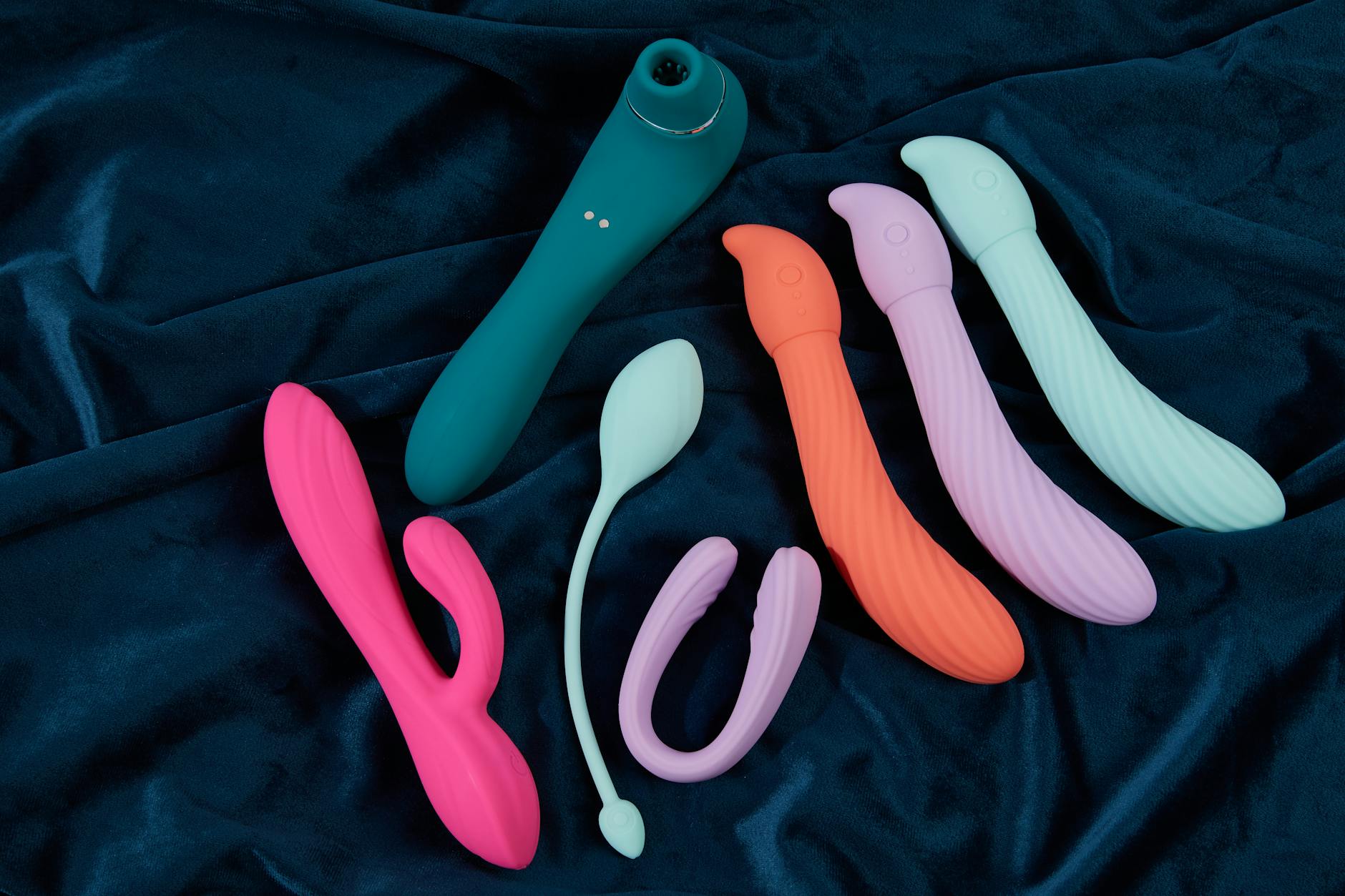
Here's the thing nobody explains about thin tissue
Vaginal thinning is real. It happens to a lot of people. And it absolutely changes how sensation feels. But change does not equal loss. A lemon clitoral vibrator is specifically designed to work with thinner, more sensitive tissue instead of against it. That's not a workaround. That's a fundamental advantage.
Thin tissue is actually more responsive to gentle, sustained stimulation. The problem is that most vibrators were engineered for average tissue, which means they either overpower or underwhelm. A lemon sexual toy works differently.
Why thin tissue needs a different approach
When estrogen drops, the vaginal walls thin and lose some of their elasticity. The tissue becomes more delicate and sensitive. This sounds like a problem until you understand what it actually means for pleasure.
Thinner tissue has nerve endings that sit closer to the surface. That means less pressure is needed to trigger sensation. The clitoris doesn't change. Its nerves are still there. They're just more reactive to light, consistent contact.
A lemon vibrator's suction mechanism is perfect for this because it doesn't rely on harsh vibration or intense pressure. Instead, it creates a gentle pulling sensation that stimulates the clitoral nerves without the grinding friction that can feel painful or too intense on delicate tissue.
The sensation paradox
Here's what's counterintuitive: people with thin tissue often report that a lemon clitoral vibrator feels better than it did before tissue thinning. Not worse.
Why? Because the stimulation is targeted and gentle. There's no unnecessary pressure on vulnerable areas. The suction focuses sensation exactly where you need it. And because the tissue is more sensitive, that focused stimulation registers more intensely.
This is why how to use a lemon vibrator when your clitoris feels more sensitive after vaginal thinning matters so much. The adjustment isn't about lowering expectations. It's about switching tools.
Start with the lowest intensity setting
If you're new to using a lemon sexual toy with thin tissue, begin on pattern 1 or 2. This isn't conservative. It's strategic.
Low-intensity patterns give you room to feel exactly what's happening. They let you assess comfort. And they make it obvious when the sensation is right. Once you know that baseline, you can experiment upward. Most people with thin tissue find that patterns 1 through 4 deliver everything they need.
The highest patterns (5 and above) exist for a reason, but they're rarely necessary here. In fact, jumping to intense patterns can trigger overstimulation, which registers as numbness rather than pleasure.
Positioning and angle matter more than you think
With thinner tissue, the angle of contact becomes crucial. Direct contact on the clitoral glans can feel sharp. Angled contact, even slightly off-center, diffuses the sensation and makes it feel more comfortable.
A lemon vibrator gives you that control naturally. The design lets you adjust how directly the suction cup meets your body. Start with the cup fully seated, then try tilting it slightly. You'll find a sweet spot where the sensation feels rich instead of raw.
Don't apply firm downward pressure. Let the toy sit. The suction does the work. Your job is gentle positioning, not pressure.
Lubrication is not optional
This is worth repeating because it's so easy to skip. Water-based lubricant is essential with thin tissue, even though the lemon clitoral vibrator doesn't require it for function. The lube creates a buffer that makes the sensation feel smoother and more diffused.
Apply lube around the area, not just inside. The suction cup will glide more smoothly, and your tissue stays protected. Reapply every 10-15 minutes. Thin tissue dries faster, and the feeling changes as lubrication diminishes.
Warm-up time is your friend
Arteriovenous tissue (the erectile tissue in the clitoris) takes longer to engorge when estrogen is lower. Budget 15-25 minutes of gentle foreplay or exploration before bringing out the toy.
Manual stimulation, kissing, or even just breathing and settling into your own body primes the tissue. This isn't wasting time. It's building the foundation so that when you use the lemon vibrator, your body is genuinely ready.
Many people find that this longer warm-up actually makes everything feel better. Rushing into it produces flat sensation. Patience produces depth.
The pelvic floor connection
Thin tissue and pelvic floor tension go hand in hand. When estrogen drops, the pelvic floor loses support and often tightens defensively. A tight pelvic floor dampens sensation from a vibrator because it restricts blood flow and nerve engagement.
Before using your lemon sexual toy, spend a few minutes in conscious relaxation. Breathe into your pelvic floor. Imagine it softening. This isn't mystical. Tension literally reduces sensation. Relaxation amplifies it.
If you're working with a partner, communicate this. They're not doing anything wrong. Your body is asking for something different.
Session length and pacing
With thin tissue, shorter sessions often feel better than long ones. Quality over duration.
A 15-20 minute session with full engagement beats a 45-minute session where you're chasing sensation that won't come. Your tissue needs recovery time. Multiple shorter sessions across the week often produce better results than one marathon session.
This is also why understanding your own sensitivity matters. Some days your body will feel more responsive. That's normal and not a sign that anything is wrong.
When sensation plateaus
If you've been using a lemon vibrator with thin tissue for a while and sensation feels like it's flattening, take a 3-5 day break. Consistent stimulation can temporarily desensitize even responsive tissue. A short break resets everything.
When you return, start at pattern 1 again. Let your body relearn the feeling. You'll be surprised how alive the sensation feels after a rest.
This is different from the orgasm plateau that happens with long-term use. That's a separate adjustment. Tissue-specific sensitivity reset is just about giving your body space to recover.
Partner communication during this transition
If you're using a lemon clitoral vibrator with a partner, they need to understand that thin tissue requires a different rhythm than what worked before. This isn't about them doing anything wrong.
Say it directly: "My body is responding to gentler, slower stimulation now. That's not a rejection. It's what feels good right now." Most partners are relieved to have clarity instead of guessing.
When to seek additional support
If sensation remains completely absent even after you've adjusted technique and settings, or if there's pain, talk to a menopause-informed gynecologist. Genitourinary syndrome of menopause (GSM) is highly treatable with topical estrogen creams or other therapies.
A lemon vibrator is a fantastic tool for thin tissue sensation. But it works best alongside good medical support, not instead of it.
The reframe
Thin tissue doesn't mean the end of pleasure. It means a different pleasure. Gentler. More specific. Often more intense because the stimulation is so precisely targeted.
A lemon clitoral vibrator is built for this exact situation. Use it that way. Your body will thank you.
People also ask
Can you use a lemon vibrator if you have severe vaginal atrophy?
Yes, but with caution and ideally alongside medical treatment. Severe atrophy means the tissue is significantly thinner and more fragile. Start on the absolute lowest pattern, use generous lubrication, and go slowly. If you experience any pain or spotting, pause and consult a doctor. Many people find that combining a lemon sexual toy with topical hormone therapy creates the best results.
Does thin tissue make orgasms impossible with a vibrator?
Not at all. Thin tissue can actually make orgasms easier because the sensation registers more intensely. The key is using the right tool and the right technique. A lemon clitoral vibrator's gentle suction mechanism works brilliantly with thin tissue. Most people report stronger orgasms once they adjust their expectations and technique.
How often can you use a lemon vibrator if you have thin tissue?
You can use it as often as feels good, but with intentional pacing. Daily use is fine if your body feels responsive. If sensation starts feeling muted, take a 3-5 day break to reset sensitivity. Quality matters more than frequency. Two great sessions per week beats seven mediocre ones.
Does lube affect a lemon vibrator's suction?
No. Lubrication actually helps the suction seal better because it creates a smooth surface. The cup seats properly and the sensation feels cleaner. Use water-based lube generously.
Is thin tissue more likely to tear with a vibrator?
Not if you're using appropriate technique and pressure. A lemon vibrator doesn't require force. Gentle positioning and letting the suction do the work keeps tissue completely safe. Avoid downward pressure, use lube, and listen to your body.
Can you go back to regular intensity after using a lemon vibrator with thin tissue?
Your tissue doesn't change based on what you use. Some people find that after adjusting to gentler stimulation, higher-intensity vibrators feel unnecessarily harsh. That's a preference shift, not a biological one. You can switch between tools based on what feels right that day.