Here's what nobody tells you about postpartum intimacy
Your body just did something extraordinary. And now everyone expects you to be ready for sex again at your six-week checkup.
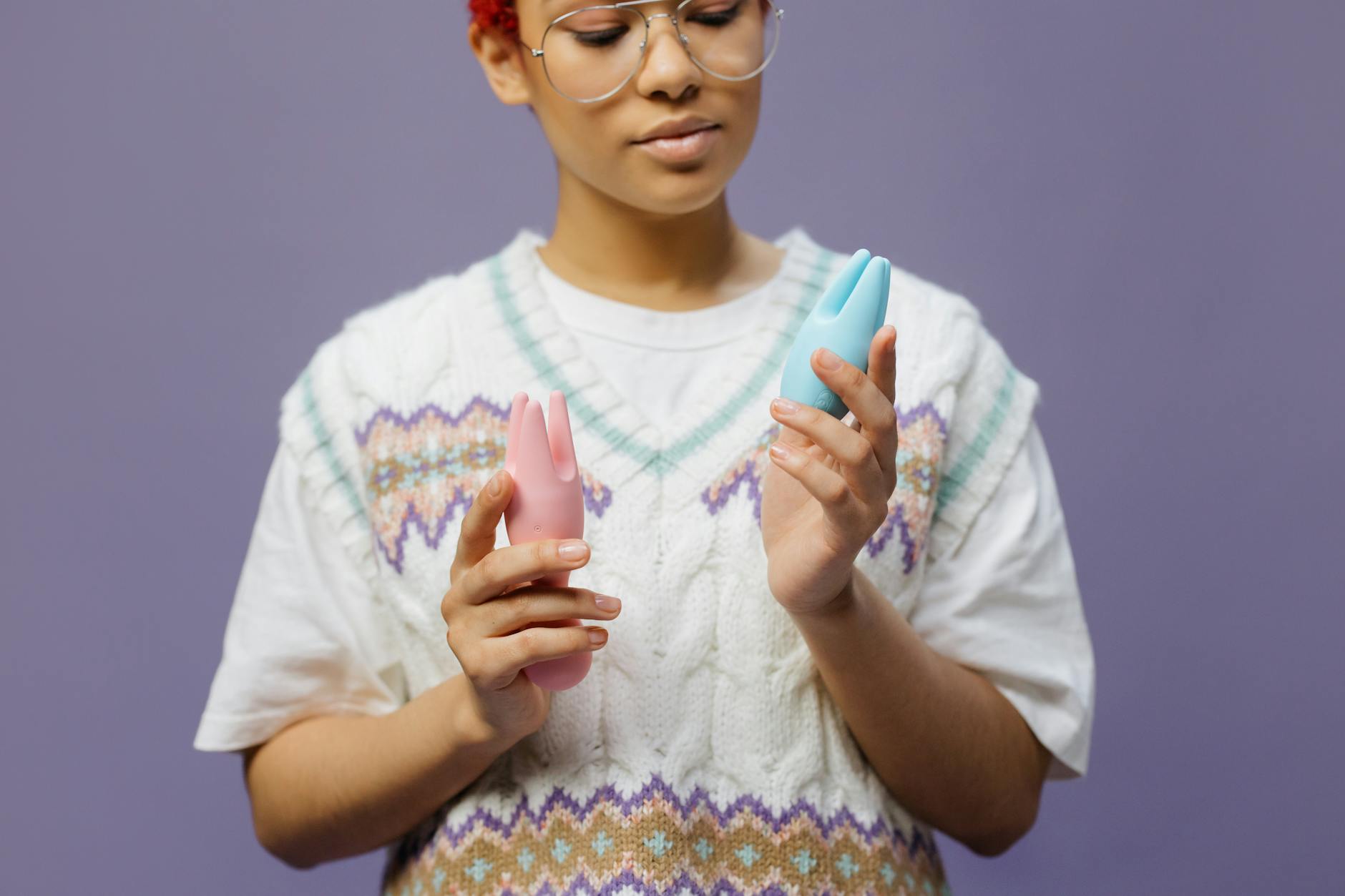
The truth is messier. Pelvic floor recovery, hormonal shifts, sleep deprivation, and the sheer logistics of having another human attached to you make sex feel impossible. But postpartum doesn't mean intimacy has to disappear entirely. With the right timing and approach, tools like a lemon vibrator can actually support your recovery and reconnect you with sensation when you're ready.
I work with couples navigating this transition, and I can tell you: this is one of the loneliest conversations people try to have alone. You're not broken. Your timeline is your own.
When the pelvic floor needs space (and why)
Vaginal delivery tears tissue. Even if you don't tear officially, the pelvic floor muscles stretch and fatigue during labor. Your uterus is involuting (shrinking back). Lochia (postpartum bleeding) continues for 4-6 weeks. Adding stimulation during this window isn't impossible, but it's adding stress to tissue that's already under load.
Caesarean delivery is different mechanically but not necessarily easier: you've got an abdominal incision, internal sutures, and hormone levels that are still in freefall.
Your pelvic floor muscles need to regain tone and coordination. This isn't about soreness alone. It's about proprioception. After months of pregnancy and the trauma of birth, your pelvic floor has lost its map. Using a lemon clitoral vibrator thoughtfully can help rebuild that awareness, but timing matters.
The realistic postpartum timeline
Here's what I tell clients in my practice:
Weeks 1-4: Hands off everything. Your body is bleeding, contracting, and healing. This isn't puritanical. It's survival. Your immune system is working overtime. Rest matters more than anything else.
Weeks 4-6: Light exploration only, if bleeding has stopped. If you feel drawn to touch yourself, that's not wrong. But keep it external, non-penetrative, and low-intensity. No vibrators yet. This is about reconnecting with sensation, not chasing orgasm. Many people find this phase emotionally important even if the physical sensation is muted.
Week 6-8: Cleared by your provider, now what? Your six-week postpartum checkup usually gives the green light for penetrative sex. But green light doesn't mean "ready." Ready is different. If you want to introduce a tool like the lemon vibrator, this is the window where it becomes a possibility. Start conservatively.
Weeks 8-12: Building confidence and sensation. If you've been using a lem vibrator gently and it feels good, you can gradually increase frequency and intensity. Your pelvic floor is strengthening. Hormones are stabilizing slightly. You might actually feel like yourself again for 45 minutes a day.
How to use a lemon vibrator during early recovery
If you're cleared by your healthcare provider and you want to explore, here's my approach:
Start external only. The clitoral head of your lemon sucker works beautifully for external stimulation without the complexity of internal engagement. This keeps pressure off healing vaginal tissue and lets you focus on what feels good without logistical worry.
Use the lowest setting. Air-suction vibrators like the lemon vibrator deliver stimulation differently than traditional vibrators. The sensation is less sharp, more diffuse. Even so, your tissue is hypersensitive right now. Start at pattern one or two. You can build intensity in six weeks.
Keep sessions short. Five to ten minutes is plenty. You're not trying to achieve orgasm. You're noticing sensation. That's the whole point. If orgasm happens naturally, fine. If it doesn't, that's also fine. Postpartum hormones and exhaustion make orgasm harder, not impossible. But forcing it defeats the purpose.
Communicate with your partner, clearly. If you're with someone, let them know this is about your recovery and reconnection, not performance. Many partners feel anxious about "damaging" you further. Knowing you have agency in this process actually helps both of you.
Why air-suction vibrators (like the lem) work well for this phase
Traditional vibrators buzz directly against tissue. That works fine for a lot of people, but after childbirth when your clitoris is tender and your pelvic floor muscles are guarding? The constant buzz can feel jarring or even painful.
Air-suction vibrators use gentle pulsing suction instead. The sensation wraps around the clitoral head rather than hammering it. For postpartum bodies, this feels less aggressive. You get stimulation without the intensity that can cause micro-tears in already-vulnerable tissue.
The lemon vibrator is specifically designed for clitoral pleasure with this gentler approach. Many people find that during recovery, the lightest setting of an air-suction device feels more natural and less overwhelming than a traditional vibrator at the same power level.
Pelvic floor exercises matter just as much
Using a lemon clitoral vibrator doesn't replace pelvic floor rehabilitation. In fact, they work best together.
Kegels are the obvious starting point, but most people do them wrong. Squeezing your pelvic floor constantly actually prevents relaxation, which is just as important as strength. A proper pelvic floor routine involves: squeeze and release cycles, longer holds, and crucially, learning to fully relax those muscles.
If you can afford it, pelvic floor physical therapy is genuinely transformative postpartum. A PT can assess your specific recovery picture and guide you through graduated exercises that make sense for your body. They can also clear you for vibrator use based on your individual healing.
The paradox nobody mentions: sometimes you need to relax your pelvic floor before you can enjoy sensation again. Tension prevents pleasure. A lemon vibrator can help rebuild that connection, but only if you're also learning to release.
The hormonal piece (and why your libido might be nowhere)
You're not uninterested in sex because you're broken. You're uninterested because your hormones are in freefall.
Oxytocin spikes during labor, then crashes. Estrogen drops. Progesterone, which was climbing for nine months, crashes. If you're breastfeeding, prolactin is high, which suppresses estrogen further. All of these changes tank libido. It's not in your head. It's biology.
This doesn't mean you can't or shouldn't use tools like a lemon vibrator to explore sensation. But it does mean: lower expectations around arousal and orgasm for the first 3-6 months. Your body is literally running on fumes.
Some people find that gentle clitoral stimulation actually helps them feel more embodied during this phase, even without strong arousal. That's valuable. It's not about "keeping the spark alive." It's about reconnecting with yourself when everything else is chaotic.
When to pause or seek help
If you experience pain, bleeding (beyond normal lochia), or significant swelling when using a lemon vibrator postpartum, stop. Pain is information. It means your tissue isn't ready yet.
If you're several months postpartum and sex or vibrator use is causing pain, see a pelvic floor physical therapist. Postpartum pain during sex affects 30-50% of people and is almost always fixable. You don't have to live with it.
If your libido hasn't returned by six months postpartum and it's causing relationship strain, that's worth discussing with your GP. Sometimes it's hormonal. Sometimes it's relational. Often it's both. A therapist who specializes in postpartum dynamics can help you and your partner navigate it together.
The bigger picture: intimacy isn't just sex
Postpartum, intimacy gets compressed into a single question: "When can we have sex again?" But intimacy is broader.
Touching yourself, being touched by a partner, being alone with your body, exploring sensation at your own pace. These are all forms of intimacy. Using a lemon vibrator during recovery can be part of that landscape, but it's not the whole picture.
Some of the most important work happens before and without toys. It's the conversation with your partner about what recovery looks like. It's the permission you give yourself to take time. It's the moment you look at your body and see it as capable of pleasure again, not just as a milk factory or a source of pain.
A lemon clitoral vibrator can support that. But you're doing the real work.
FAQ: Postpartum intimacy and lemon vibrators
Can I use a lemon vibrator while breastfeeding?
Yes, but know what's happening hormonally. Prolactin, which supports milk production, suppresses estrogen and dampens arousal. Many people breastfeeding report a complete lack of libido, which is normal. Using a lemon vibrator is perfectly safe while breastfeeding. Whether it feels good is a different question. Your brain might just not be interested. That's okay.
How long after a C-section before I can use a lemon vibrator?
Your incision needs at least 4-6 weeks to close and gain strength. Even after your six-week clearance, take it slow. You don't have vaginal tissue recovering, but you do have abdominal incisions and hormonal upheaval. Wait until you're pain-free during normal movement before introducing vibrator use. When you do, stick to external stimulation and low intensity. Your body will tell you if it's ready.
What if penetration feels painful even months after birth?
That's postpartum pain disorder, and it's common. A pelvic floor PT can usually resolve it in 4-8 weeks. In the meantime, external clitoral stimulation with a lemon vibrator is perfectly safe and often feels better than penetrative approaches. Don't push through pain thinking it will improve. Get assessed.
Can my partner use the lemon vibrator on me postpartum?
Absolutely, if you want them to. Some people find that receiving touch from a partner feels more intimate during recovery. Others need solo time first. There's no right answer. Communication matters more than the tool. Let your partner know your timeline and what feels safe.
When is it safe to have partnered sex again after childbirth?
Medically, most providers clear people at six weeks. Practically, it depends on pain, pelvic floor recovery, hormones, and your emotional state. Don't let a six-week clearance pressure you into something that doesn't feel ready. Many people need 8-12 weeks or longer. Your timeline is valid.
Can clitoral stimulation help speed up pelvic floor recovery?
Indirectly, yes. Gentle clitoral stimulation with a tool like a lemon vibrator can increase blood flow to the area and help you rebuild proprioceptive awareness of your pelvic floor. But it's not a substitute for pelvic floor exercises or physical therapy. Think of it as a complement, not a replacement. The key is starting early enough that tissue has begun to heal, but you're still in the window where targeted attention supports recovery.
The bottom line
Postpartum recovery is a marathon, not a sprint. Your body accomplished something extraordinary, and now it needs time to repair. Pleasure and intimacy don't have to disappear during that repair, but they might look different than before.
A lemon vibrator can be a tool in that recovery process, but only if the timing and approach are right. Start conservatively. Listen to your body. Talk to your partner. And if something doesn't feel right, get professional support. You deserve pleasure again. It just might take longer than the culture tells you to expect.
If you have questions about your specific recovery or want to talk through your postpartum timeline, reach out. That's what I'm here for.