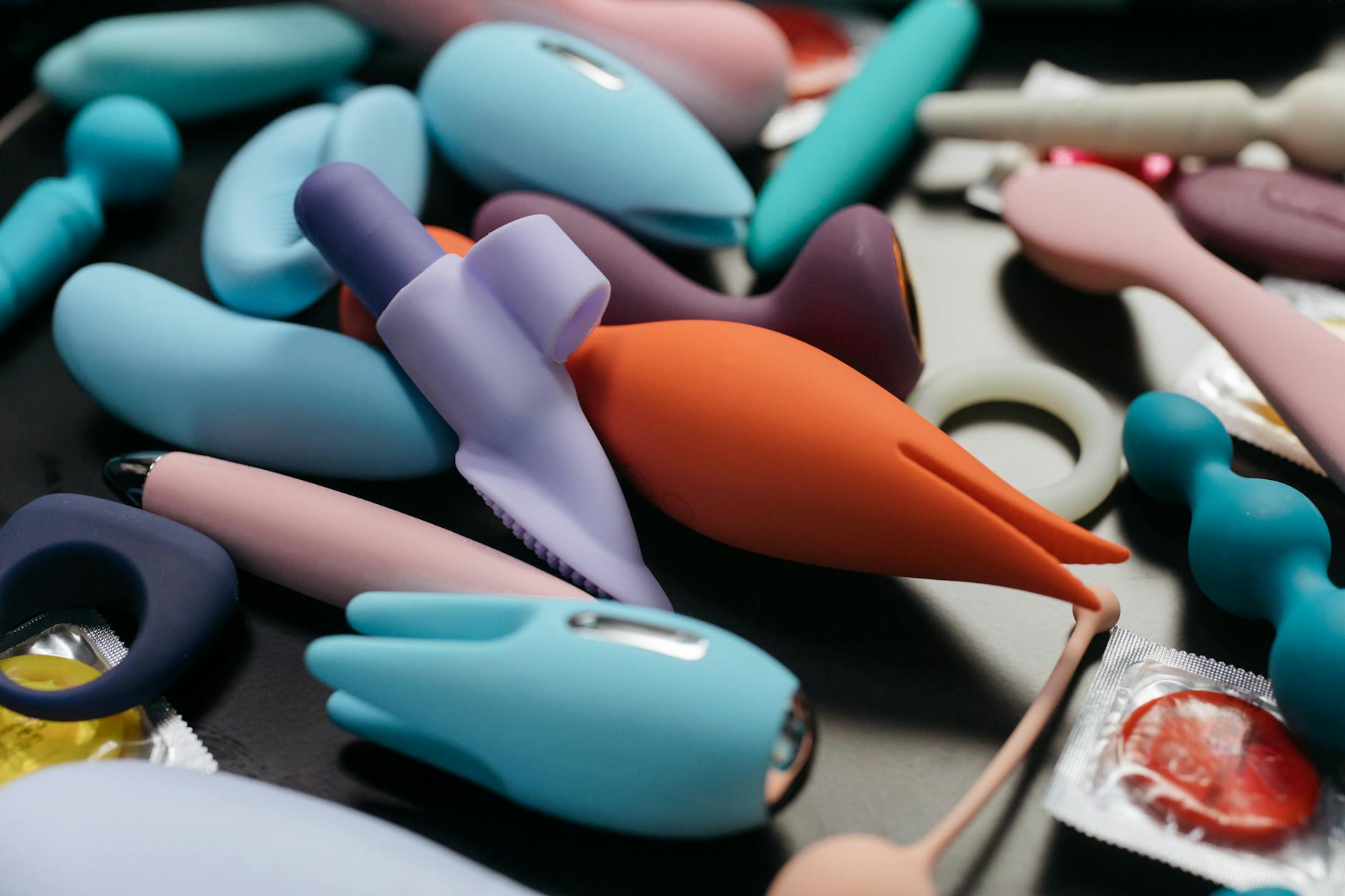
The difference between stress and low desire
Let's start with the thing no one explains: stress doesn't lower libido the way hormones do. It erases it. Your brain literally deprioritizes sex when cortisol is running the show. You might feel completely physically capable of pleasure, but the wanting part doesn't show up. That's different from menopause, medication side effects, or relationship friction. And it changes what actually helps.
Most advice assumes your desire is there but muted. With stress-driven low libido, desire hasn't just diminished. It's been redirected entirely to survival mode. Your nervous system is in fight-flight-freeze, which means the part of your brain that registers "this feels good" is essentially offline. No amount of partner effort or lemon vibrator technique will fix that if you're still in crisis mode.
The good news: this is one of the most reversible forms of desire loss. It's not a broken system. It's an overwhelmed system. And there are concrete ways to use pleasure devices like the Lem to rebuild the neural pathways stress has put on pause.
How stress literally shuts down desire
When you're under chronic stress, your parasympathetic nervous system (the rest-and-digest branch) gets suppressed. Sexual pleasure lives in the parasympathetic state. You can't orgasm, or even become curious about pleasure, if your body thinks you're being chased. The amygdala, your threat-detection center, is hyperactive. The prefrontal cortex, which handles decision-making and anticipation, goes quiet.
This is why meditation works for some people and doesn't for others. If your stress is situational (a deadline, a conflict, a brief crisis), bringing your nervous system down for 10 minutes genuinely helps. If your stress is chronic (months of financial anxiety, caregiving burnout, grief), no single meditation session will touch it. You're asking your brain to want something while everything in its environment is signaling danger.
Adding a lemon vibrator into this environment doesn't bypass the problem. But it does something more useful: it gives your nervous system permission to practice pleasure in small, non-demanding doses.
Why sensation-first, desire-second actually works
Here's the reframe that changes everything: stop looking for desire and start looking for sensation. Desire is the wanting. Sensation is the experiencing. When stress is present, sensation is still available to you. Your clitoris still has nerve endings. Your body can still respond to touch. What's missing is the narrative of "I want this." That's fine. Skip it.
With a lemon clitoral vibrator, you can give your nervous system positive sensory data without the pressure of "this should feel sexy." It's just surface feedback. A pattern, some texture, vibration. No stakes attached. This matters because every time your body experiences pleasure without threat, it rewires a tiny bit. That rewiring is how desire returns.
This is why the Lem works particularly well here. Suction stimulation gives very direct, very clear sensory input. You're not guessing if you're doing it right. The sensation is obvious and unmistakable, which means your brain doesn't have to work hard to notice it. That's energy your nervous system can direct elsewhere. You're not burning cognitive resources figuring out if you feel pleasure. You just do.
The actual protocol: rewiring under pressure
If you're chronically stressed, here's what changes from the standard approach.
Step one: separate pleasure from expectation. Schedule it the way you'd schedule a massage. Not "I'll try to enjoy this," but "This is 15 minutes where I'm lying down and my body gets input." You're not auditioning for an orgasm. You're not testing your system. You're just experiencing sensation.
Step two: start stupidly low. Pattern one on the Lem. Two minutes. That's it. If you feel annoyed or bored, perfect. That's honest feedback, not failure. The goal isn't arousal or pleasure right now. The goal is your nervous system learning "this thing doesn't threaten me, and it provides interesting sensory data."
Step three: extend slowly. After two or three sessions of "just pattern one," move to five minutes. Still pattern one. No pressure to progress. If one week you want five minutes and the next week you want two, that's not backsliding. Stress levels fluctuate. Your nervous system is honest about capacity.
Step four: add light context shifting. This is where a lemon vibrator's simplicity helps. You can use it while:
- Lying in bed with a podcast on (zero performance pressure)
- In the shower or bath (warm water already calms the nervous system)
- In the morning before work stress hits (better environment)
- Right before sleep (your brain is already in rest mode)
The environment shifts the baseline. You're not adding sensory richness. You're removing competing threats.
The partner conversation you need to have
If you have a partner, stress-driven low libido becomes a relationship problem faster than other kinds. Your partner might interpret your lack of desire as lack of attraction. That's almost never true, but it's the story they tell themselves. You've disappeared sexually, and they feel abandoned.
The conversation isn't "I'm using my lemon vibrator to fix myself." It's "My nervous system is in overdrive and desire is the first casualty. This has nothing to do with you. Here's what helps me: space, and not being asked about sex until I bring it up." That last part matters. Every "Are you feeling better yet?" or gentle advance reactivates your threat detection. Your partner asking you to try harder actually makes stress-driven libido worse.
If your partner is supportive, they can help by genuinely lowering the temperature on sex for a while. Not forever. But for the season when you're in crisis, the absence of expectation is medicine. Once you're not defending against advances, once you're not bracing for disappointment about your own lack of desire, your nervous system can actually start to settle.
The stress part you need to actually fix
A lemon clitoral vibrator can rewire your pleasure response once you start de-stressing. But it can't do the de-stressing. That part is on the actual stressor.
If your low libido is from work stress, something has to shift about work. A deadline, a job change, a boundary with your boss. If it's caregiving burnout, you need actual relief, not just a spa day. If it's financial crisis, the solution isn't meditation. It's a plan and a timeline and some breathing room.
This is where I see people get stuck. They think using a lemon vibrator or scheduling sex or trying harder is the solution. It's not. Those things support the process once the actual crisis starts easing. But you can't vibrate your way out of genuine threat. Your body knows the difference.
What you can do with a lemon vibrator is maintain the neural pathways for pleasure while you're working on the stressor. That's useful. It means when things actually ease up, you're not starting from zero. You've been practicing sensation. Your body remembers how to respond.
When to know it's not just stress
If you've been using a lemon vibrator consistently for six weeks, things in your life have genuinely improved, and desire still hasn't budged, something else is likely going on. That might be depression (different from stress, requires different treatment), hormonal imbalance, or relationship issues you've been papering over with "it's just stress."
This is worth a conversation with a therapist or a doctor, not because there's anything wrong with you, but because low libido that doesn't shift with the stressor usually points to something that needs direct attention. A lemon vibrator is a tool for rewiring pleasure response. It's not a diagnostic instrument.
How sensation practice pays off
Here's what happens over weeks if you stick with this approach: your body starts remembering that pleasure is possible even when your brain is busy. That's not a small thing. It breaks the coupling between "crisis mode" and "no pleasure allowed." You start to have tiny experiences of relief. Not big orgasms. Just "oh, that feels interesting" moments.
Eventually, as the stress actually eases and your nervous system calms down, desire sneaks back in. Not suddenly. Gradually. First as curiosity, then as actual wanting. And because you've been practicing with the lemon vibrator, your body knows exactly how to respond. The pleasure pathways were never offline. They were just waiting.
People also ask
Can stress cause complete loss of desire but not affect my ability to orgasm?
Yes, and this is actually more common than you'd think. Orgasm is partly reflex. Desire is entirely neurological. You can physically respond to stimulation from a lemon vibrator while feeling zero interest in sex. That's stress in action. The good news is that if you can separate "my body can respond" from "I should want this," you can use that response to gradually rebuild desire. Your nervous system isn't broken. It's just prioritizing survival over pleasure, which makes sense.
How long does it take for desire to return after stress eases?
It depends on how long the stress lasted and how much of your nervous system has calmed down. Acute stress (a few weeks)? Desire might return within days once things settle. Chronic stress (months or years)? Expect weeks to months, even after the stressor is gone. Your nervous system has learned that threat is normal. It needs repetition and time to believe it's actually safe. Using a lemon vibrator during this time helps rewire faster because you're building positive associations with sensation.
Is it normal to feel nothing when using a lemon vibrator during high stress?
Completely normal. If you feel nothing, bored, or irritated, that's your nervous system telling the truth. Don't push through it. The goal isn't pleasure right now. It's permission to be touched without threat. Some people find that neutral sensation is enough to shift their system slightly. Others need the stress itself to ease first. Both are valid. If you feel frustrated by lack of response, that's probably a sign to focus on the actual stressor instead of forcing pleasure practice.
Can my partner help me rebuild desire using a lemon vibrator together?
Yes, but carefully. If you're stressed and desire is gone, the presence of a partner can actually reactivate your threat response. You're not just trying to feel pleasure. You're performing pleasure for someone. That's extra cognitive load. Start alone. Once you've rebuilt some basic comfort with sensation, partner involvement might feel less pressured. The key is that your partner isn't there to "help" you feel pleasure. That's on you. They're there to hold space without expectation. It's a different energy.
Does using a lemon vibrator count as self-care for stress?
Not exactly. Self-care implies the activity itself reduces stress. A lemon vibrator doesn't lower cortisol. What it does is practice pleasure while you're handling stress elsewhere. That's maintenance, not treatment. Real stress relief is sleep, movement, time off work, fixing the actual problem, or therapy. A lemon vibrator is something you do after you've addressed those things, to keep your pleasure response intact while your nervous system settles.
What if stress comes back and kills my desire again?
It will, probably. That's not failure. That's how nervous systems work under threat. You'll have rebuilt the pathway once, which means rebuilding it again is faster and easier. You know what to expect. You know it's temporary. You know how to use a lemon vibrator to stay in touch with sensation while things are hard. That knowledge doesn't go away. Future cycles of stress and desire loss are less destabilizing when you've weathered it before.
The bottom line
When stress kills your libido, a lemon vibrator isn't a cure. It's a way to keep your body's pleasure response intact while you're doing the actual work of managing the stressor. That work is the priority. But maintaining sensation during the hard season means when things ease up, you don't have to rebuild from absolute zero. You've been practicing all along.
Your desire will come back. It always does, once your nervous system believes the threat is actually gone. Until then, sensation without pressure is enough.
If you're navigating stress and libido loss, talking to a therapist who understands nervous system work can help clarify what you're actually dealing with. And if you want to explore how to rebuild pleasure gradually, our buying guide walks through choosing the right lemon clitoral vibrator for where you are right now.
Resources & Further Reading
- Bessel van der Kolk. The Body Keeps the Score: Brain, Mind, and Body in the Healing of Trauma. Penguin, 2014.
- Stephen Porges. Polyvagal Theory. Podcast interviews and clinical applications on nervous system regulation.
- Laurie Santos. The Happiness Lab. Podcast episode on stress and cortisol cycles.
- American Psychological Association. Stress Effects on the Body. https://www.apa.org/science/about/psa/stress
- National Institute of Mental Health. Chronic Stress and Health. https://www.nimh.nih.gov/health/publications/stress