The problem nobody talks about
You're aroused. Things are moving in the right direction. Then sensation hits and it's too much. Sharp. Almost painful. Your instinct is to pull away, which kills the moment and leaves you frustrated because intellectually you know you want this.
You're not broken. This isn't rare. What's happening is your nervous system is flooding with input faster than it can process, and your body's natural response is to protect itself by creating that overwhelming sensation.
Why hypersensitivity happens during arousal
When blood flow increases to the clitoris, the tissue becomes more engorged and the nerve endings more reactive. For some people, this is perfect. For others, it tips into oversaturation. The more aroused you become, the more sensitive the tissue gets, which can create a catch-22: the thing that's supposed to feel good starts feeling like too much.
This is especially common in people who have spent years managing pain, recovering from numbness, or retraining their nervous system after trauma or medication changes. Your body learns to protect itself by clamping down on sensation, and that protective response doesn't always switch off smoothly when you want pleasure.
Hormonal fluctuations matter too. Certain points in your cycle make your clitoris more reactive. Some medications increase nerve sensitivity as a side effect. Stress, tension in your pelvic floor, and even anxiety about the sensation itself can amplify the overwhelm.
Why suction works differently than vibration
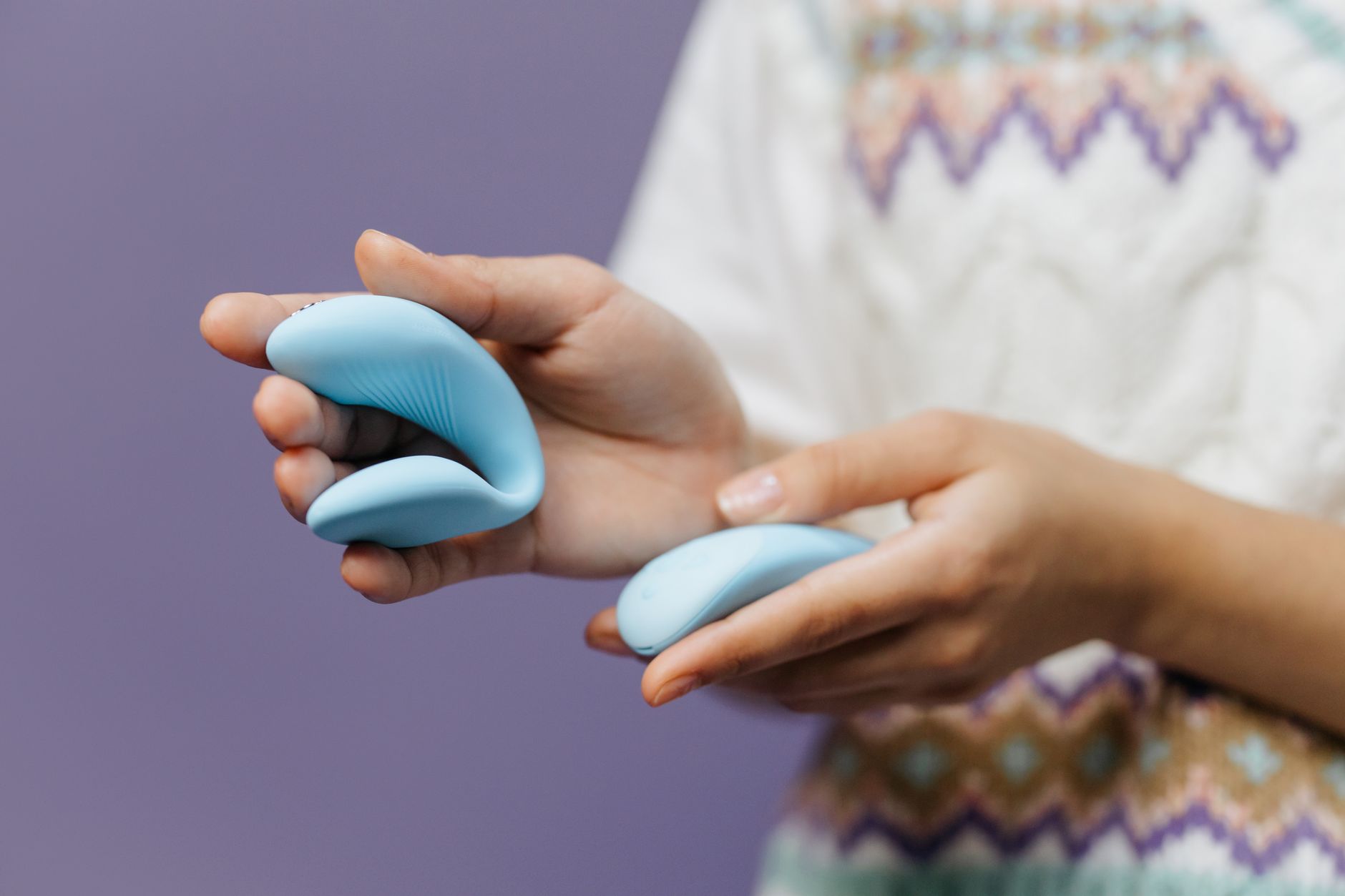
Most vibrators apply rapid mechanical pressure directly to tissue. For someone with heightened sensitivity, that's like turning up the volume on an already loud room. A lemon vibrator uses suction and gentle pulsing, which creates a broader, less localized field of stimulation. It's the difference between a sharp point of pressure and a soft wave of sensation.
The suction mechanism also gives you more control over intensity in real time. Because the stimulation isn't direct friction, you can modulate it without losing contact, which matters when you're trying to stay aroused while managing overwhelm.
Building tolerance with gradual exposure
If hypersensitivity is new or getting worse, resist the urge to push through it. Tolerance builds fastest when you're approaching it incrementally, not fighting against your nervous system.
Start with the lowest setting on your lemon vibrator. Pattern 1 exists for a reason. Use it for 3-5 minutes until your body recognizes the sensation as safe and begins to relax into it. Your clitoris doesn't need to be at maximum arousal yet. This is about teaching your nervous system that this type of stimulation isn't a threat.
After a few sessions at level 1, move to level 2. Same duration. Same patience. Some people spend a week at each level. Others need longer. There's no schedule except your own body's readiness.
This isn't about toughening up. It's about desensitization in the clinical sense: repeated exposure to a stimulus at manageable levels so your nervous system stops perceiving it as a threat.
Positioning and pelvic floor work
How you position yourself matters more than most people realize. Lying on your back with your hips slightly elevated (a pillow under your lower back helps) gives you the most control and allows your pelvic floor to stay relatively relaxed. When you're tense through your core or hips, everything below feels more intense.
Before you start using your lemon vibrator, spend 2-3 minutes just breathing into your pelvic floor. Imagine the muscles around your vagina and anus softening with each exhale. You're not doing Kegels here. You're doing the opposite: active relaxation.
During stimulation, check in with your pelvic floor every 30 seconds. If you notice it's tensing up (which happens automatically when sensation feels like too much), pause, breathe, and consciously release it. A tense pelvic floor amplifies every sensation, turning manageable into overwhelming.
The warm-up window that changes everything
Don't expect your clitoris to be ready for direct suction stimulation if you haven't built arousal first. Spend 10-15 minutes on other forms of touch. Fingers on your labia, gentle pressure around (not directly on) your clitoris, touching other parts of your body that turn you on. This pre-arousal allows your tissue to engorge and your nervous system to begin the shift from alert to receptive.
When you introduce the lemon vibrator, aim for the side of your clitoris or the area just above it, not the most sensitive tip. Let the suction pull gently at the surrounding tissue, which stimulates the clitoris indirectly. Many people find this indirect approach creates pleasure without the sharp overwhelming sensation that comes from direct contact.
When to pull back versus when to persist
There's a difference between sensation that feels intense but manageable and sensation that feels painful or distressing. Intensity you can breathe into and gradually relax around is worth exploring. Pain, sharp discomfort, or a feeling of your nervous system shutting down means stop.
If you reach genuine discomfort, switch off the vibrator, take a 10-minute break, and return to something gentler. You're not failing. You're getting data about your body's current capacity, which is exactly what you need to build tolerance.
Some days your sensitivity will be higher. Hormones shift, stress accumulates, your pelvic floor holds more tension than usual. Those days call for lower settings, longer warm-ups, or focusing on foreplay without the vibrator at all. Flexibility beats rigid routines.
The mental game
Anticipatory anxiety makes everything worse. If you're using your lemon vibrator while part of your brain is braced for overwhelm, your nervous system is already in protective mode. Sensation feels more intense when you're expecting it to be too much.
Try this: when you turn on your vibrator, pause for 3-5 seconds before contact and consciously release any expectation. You don't know how this will feel today. Your body isn't betraying you. The sensation isn't dangerous. Notice what's actually happening instead of what you're afraid might happen.
If your mind wanders into worry, gently return your attention to physical sensation. What does the suction actually feel like? Where exactly do you feel it? This grounding work sounds simple but it rewires the brain's threat response.

Photo by FounderTips on Pexels
When to seek additional support
If hypersensitivity is paired with pain, numbness in other areas, or a history of trauma, working with a pelvic floor physical therapist can transform things. They can assess muscle tension patterns you might not feel and teach you specific release techniques that make a real difference.
A sex therapist or counselor experienced in trauma and nervous system work can also help if the overwhelm is tied to anxiety or past experiences. Pleasure recovery isn't just mechanical. It's often emotional too.
Your regular doctor should know if this is new or worsening, especially if you've recently started medication or are in a hormonal transition. Sometimes hypersensitivity signals an underlying condition like vulvodynia or hormonal shifts that respond to specific treatments.
The reality of reclaiming sensation
Building tolerance to sensation you want takes patience, but it works. Hundreds of people who thought they'd lost access to certain types of pleasure have gradually rebuilt it by doing exactly this: starting low, moving slowly, paying attention to their body, and refusing to force the timeline.
Your lemon vibrator isn't just a tool for sensation you already have. It's a tool for reclaiming sensation that feels safe and manageable. That's worth the gradual approach.
FAQ
What if I'm hypersensitive at every intensity level?
Start with indirect contact. Instead of placing the vibrator directly on your clitoris, position it over your labia or inner thigh so the suction and vibration create stimulation from one step removed. As your nervous system adjusts, you can gradually move closer to direct contact. Also consider whether you need a longer warm-up period or more pelvic floor relaxation work before introducing the vibrator at all.
Can medication cause hypersensitivity?
Yes. SSRIs, certain antihistamines, blood pressure medications, and hormonal contraceptives can all shift sensation sensitivity. If this started after beginning a new medication, mention it to your doctor. Sometimes a dosage adjustment or a switch to a different medication helps. Don't stop medication without medical guidance, but definitely report the change.
Is it normal for sensitivity to change throughout my cycle?
Completely normal. Most people with vulvas experience peak sensitivity in the days before ovulation, when estrogen is highest and tissue is more engorged. You might tolerate intensity better in the follicular phase and need lower settings in the luteal phase. Tracking your pleasure alongside your cycle gives you useful data for planning.
How long before my nervous system adjusts?
It varies, but most people see noticeable shifts within 2-3 weeks of consistent practice at manageable levels. Some need a few months. The key is consistency without force. Your nervous system learns through repetition that this sensation is safe. Rush it and you reset the process.
Should I use numbing cream to make vibration feel less intense?
No. Numbing products mask sensation rather than helping your nervous system adapt, and they can prevent you from noticing if something is actually uncomfortable. The goal is reclaiming pleasure, not losing sensation entirely. Tolerance building takes longer but creates lasting change.
What if nothing helps and sensation still feels overwhelming?
This warrants a conversation with a pelvic floor physical therapist or a doctor who specializes in sexual health. Sometimes hypersensitivity signals central sensitization, hormonal imbalances, or pelvic floor dysfunction that needs professional assessment. Pleasure isn't supposed to feel like a battle. If it does, the right support can change that.