When your body needed to survive instead of feel
Illness pulls intimacy off the table. Whether it was surgery, infection, chronic flare, or recovery from something serious, your body had one job: heal. Pleasure wasn't the priority. Your nervous system was in protection mode.
Now you're on the other side. Physically cleared. Emotionally ready maybe. But your body doesn't remember how to respond the way it used to, and that gap between "ready" and "actually feeling it" can feel massive. This is where a lemon vibrator becomes useful not as a fix, but as a bridge back to sensation.
Here's what actually happens during recovery, why pleasure feels different, and how to restart intimacy without forcing anything.
Why arousal disappears during and after health crisis
Your nervous system has a hierarchy of needs. When you're sick or recovering, it's focused on survival. Blood flow goes where it's needed for healing. Cortisol (stress hormone) stays high. Your brain literally doesn't have bandwidth for sexual response because it's running damage control.
Even after you're cleared medically, your nervous system doesn't flip a switch. It stays cautious. Arousal requires you to feel safe, grounded, and present. During recovery, you might feel fragile, tired, or numb. All of those block the pathway to pleasure.
This is completely normal. It's not broken. It's protective.
The second thing that shifts is sensation itself. Illness or medication can change how your body registers touch. Pain medication can flatten arousal. Deconditioning (being less active) can make your pelvic floor tight or less responsive. You're not the same body as before, and pretending you are will only frustrate you.
The slow restart approach
Rebuild intimacy in phases, not all at once.
Phase 1: Solo sensation (2-3 weeks). This is just you, learning what your body can feel right now. Use a lemon clitoral vibrator on the lowest setting. Spend 10-15 minutes in a comfortable space where you won't be interrupted. You're not trying to orgasm. You're just noticing. Does suction feel different than it did before? Is there numbness in spots? Does intensity feel overwhelming or muted? Write it down if that helps.
Don't aim for climax. Arousal doesn't have to be the goal here. You're gathering data.
Phase 2: Grounded touching (3-4 weeks). Once you've explored solo, bring in partnered touch, but keep it separate from intercourse or orgasm. This is skin-to-skin contact, massage, or just holding each other. A lemon vibrator can stay in this phase too, but now your partner is involved in the choice. Maybe they hold it. Maybe they watch. Maybe they just stay present while you use it.
The point is reconnection without pressure. Your nervous system learns "touch = safe again."
Phase 3: Reintroduction (ongoing). This is when you might begin returning to partnered sex or solo pleasure with the goal of orgasm. But start with longer foreplay. Your body needs more time to warm up than before. Use a lemon sexual toy to build arousal before any other sexual contact. Notice where sensitivity has shifted. Some people find that post-illness orgasms need different stimulation than before.
What a lemon vibrator actually does in recovery
A lemon clitoral vibrator works well during this rebuild because it's gentle enough for sensitive tissue, powerful enough to cut through numbness, and doesn't require you to do the work. After illness, many people feel depleted. The suction technology means your body can receive stimulation without having to meet it halfway.
Start on setting 1 or 2. Low, sustained stimulation is better than jumping to high intensity. Your nervous system is still recalibrating.
The ritual of using it matters too. When you designate time to pleasure, your brain knows "this is for me, this is allowed." That permission is part of the healing.
Partner communication in the rebuild
If you have a partner, the most important conversation isn't about when you'll have sex again. It's about what you're actually feeling in your body right now.
Say things like:
- "I'm not sure what I can feel yet. Can we just experiment together?"
- "I need pleasure to be slow right now. That's not rejection, it's what my body needs."
- "I'm scared this won't come back the way it was. I need you to tell me this is okay."
- "Can you hold me while I try this and just be present?"
Don't frame recovery intimacy as "working toward the goal of normal sex." Frame it as "relearning our bodies together." The timeline isn't a six-week plan. It's however long it takes.
When numbness lingers
Some people come out of health crisis with lasting changes to sensation. Neuropathy, scar tissue, medication side effects, or just how their nervous system rewired. If you're months out and the numbness hasn't budged, it's worth talking to your doctor or a pelvic floor physical therapist.
But many people find that with time and gentle stimulation, sensation does return. You just need to stop holding your breath waiting for it.
The grief piece (that no one talks about)
Rebounding after health crisis is partly physical and mostly emotional. Your body changed. Your timeline changed. Maybe your relationship dynamics shifted. Your partner might have seen you vulnerable in ways that are hard to unsee. All of that needs space, not just a lemon vibrator and a positive attitude.
If the emotional block feels bigger than the physical one, that's a signal to talk to a therapist who specializes in trauma or couples work. Pleasure can't override unprocessed fear.
Checking in with yourself
As you restart, ask regularly:
- Am I doing this for myself or because I think I "should" be back to normal?
- Does my body feel safe right now, or am I pushing through discomfort?
- Is pleasure returning, or am I just going through motions?
- Do I feel connected to my partner, or disconnected?
If the answer to any of these is uncomfortable, pause. There's no timeline. No one's keeping score.
Rebounding intimacy after health crisis takes patience. You're not rushing back to where you were. You're meeting your body where it actually is, which is often stronger and more honest than before.
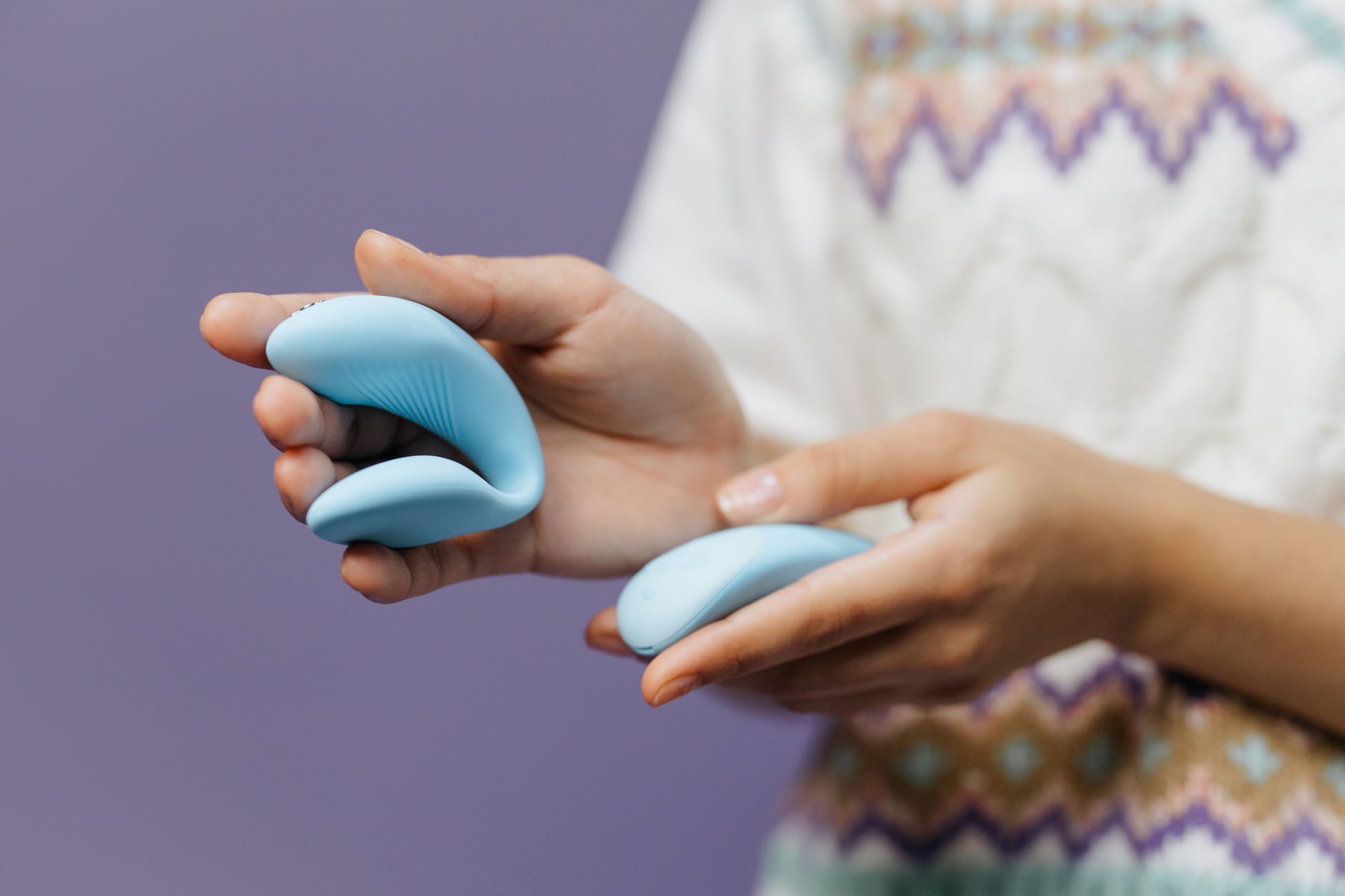
Photo by cottonbro studio on Pexels
FAQ
How long after surgery should I wait before using a vibrator?
That depends on the surgery. After most gynecological procedures, medical providers recommend waiting 4-6 weeks before any penetrative activity. A lemon clitoral vibrator that focuses on external stimulation can sometimes be used sooner, but confirm with your doctor first. Don't assume all sexual contact is off-limits just because intercourse is. Some people find gentle external stimulation helps them feel present in their body sooner than they expected.
Can I use a lemon vibrator if I'm still on pain medication?
Yes, but be aware that pain medication can block arousal and sensation. If you're using opioids, sexual response will likely be muted. Some medications (SSRIs, for instance) have side effects that flatten desire. Talk to your doctor about whether timing your pleasure for when medication is wearing off might help. And don't judge your body for not responding the way it did before. Medication changes your nervous system temporarily.
What if orgasms feel different or less intense after my health crisis?
This is common and often temporary. Illness, deconditioning, medication, and emotional stress all flatten the orgasm response. Many people notice that after three to six months of gentle, pressure-free exploration, sensation returns and even intensifies. If you're months out and still feeling numb, a pelvic floor physical therapist can help identify if there's physical deconditioning (tight muscles, reduced blood flow) that needs targeted work.
Can my partner use a lemon vibrator on me as part of rebuilding intimacy?
Absolutely. In fact, having your partner involved in relearning your body can deepen connection. They can hold the lemon vibrator, adjust the setting, and be present while you experience sensation. This removes the pressure for you to perform while still building couple intimacy. Just make sure you're directing the experience. Say what you want, what you don't want, and when you want to pause.
What if I'm not interested in orgasm right now, just sensation?
Perfect. Drop the orgasm goal entirely. Use a lemon clitoral vibrator like you're meditating, not like you're trying to finish something. Notice texture, temperature, the pattern of stimulation. Some people find that removing the pressure to come actually makes orgasm more likely to arrive eventually, but that's a bonus, not the point. The point is your nervous system learning it's safe to feel again.
How do I know if I'm pushing too hard in the rebuild versus giving myself enough time?
Your body will tell you. If you feel depleted, numb, or frustrated after pleasure sessions, you're likely pushing. If you feel curious, slightly more connected, or even just calmer, you're on track. Recovery intimacy shouldn't feel like a workout. It should feel like permission.
What comes next
Rebounding intimacy after a health crisis isn't about getting back to baseline. It's about learning a new baseline that actually honors where your body is. Some people emerge from recovery with deeper pleasure than they had before. Not because the crisis was good, but because they had to get honest about what they actually want.
Use a lemon vibrator as part of that conversation with your body. Not as a fix. As a tool for relearning sensation, one small moment at a time. If you have questions about how to approach this journey or need support navigating the emotional pieces, reach out to our team. You don't have to figure this out alone.