The brutal truth about mismatched schedules
One partner comes home at 6 p.m., ready for dinner and connection. The other is leaving for a shift that ends at midnight. By the time they're both free, one is wired and one is exhausted. This isn't a character flaw or a relationship problem (yet). It's a logistics problem. And logistics can be solved.
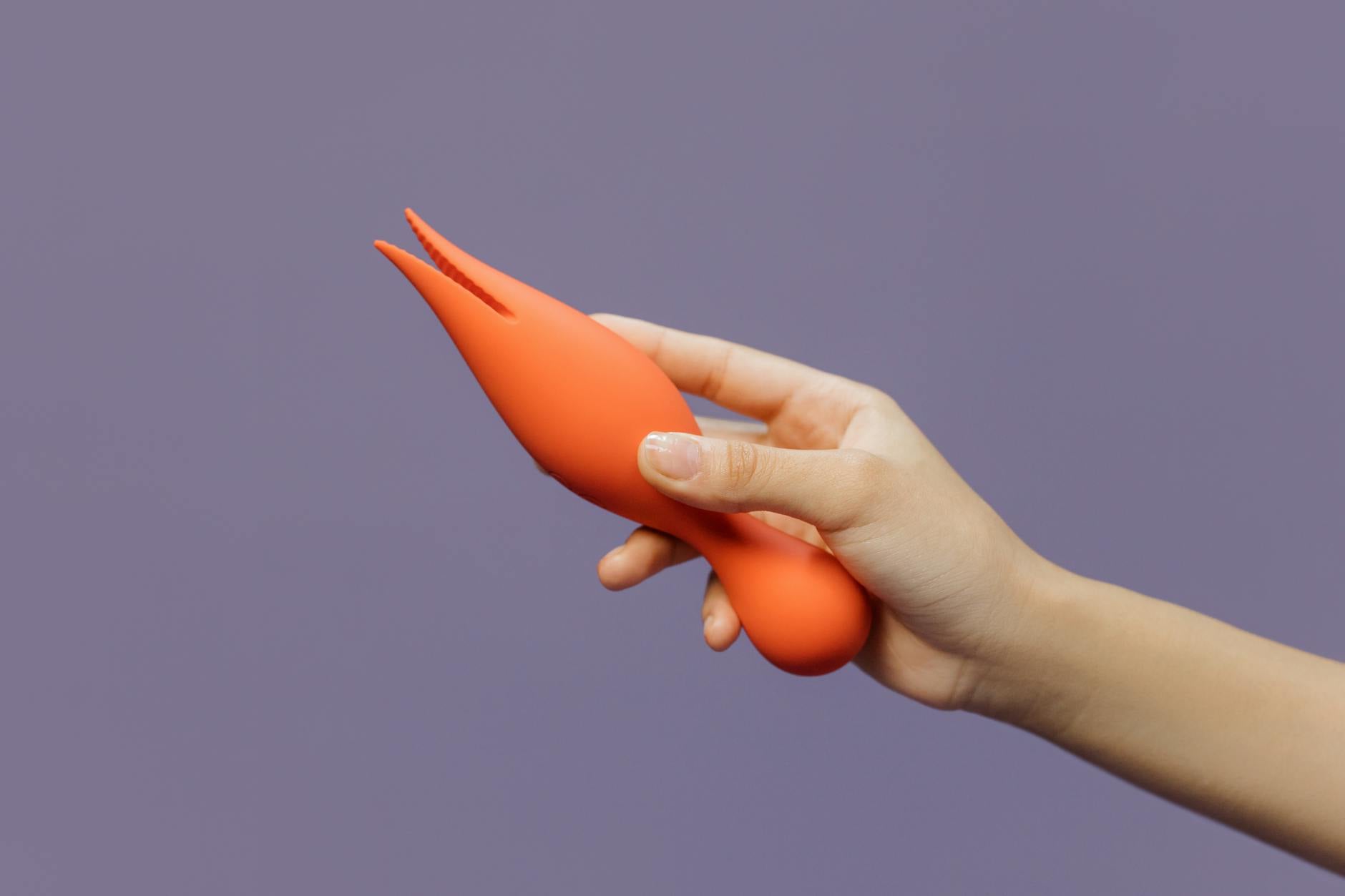
The couples I work with who navigate conflicting schedules successfully don't wait for "the perfect evening." They stop believing in it and start building pleasure into their actual lives. A lemon vibrator isn't a backup plan when your partner isn't available. It's part of how you maintain your own baseline of satisfaction so resentment doesn't creep in when your schedules collide.
Why scheduled sex feels like failure (and why it isn't)
There's a cultural myth that good sex is spontaneous, organic, arising naturally when two people fall into bed at the same time. For couples with overlapping 9-to-5s and no kids? Maybe. For everyone else? That myth is a relationship saboteur.
When your schedules don't align, waiting for spontaneity means you're waiting for something that might not happen for weeks. Resentment builds quietly. One partner feels like sex isn't a priority. The other feels pressured. Both feel disconnected. The solution isn't to resent your schedules. It's to own them.
Scheduled sex—or more accurately, scheduled pleasure—isn't romantic, but it is radical. It says: "Your pleasure matters enough to make space for it, even when life is messy."
How to build pleasure into a fractured schedule
Honestly though, the lemon clitoral vibrator works here because it puts you in control. You're not waiting for a partner's availability or energy level. You're taking what you need when you can take it.
Solo sessions as relationship maintenance
If you're the one with the earlier schedule, use that time. Wake up before your partner, have your coffee, and spend 15 minutes with your lemon vibrator. This isn't cheating on your relationship. This is maintaining your own nervous system, your own sense of aliveness, your own capacity to show up for intimacy later.
When you're not depleted—when you've had your own pleasure—you actually want connection with your partner. When you're running on fumes because you've been waiting for "good timing," you resent them instead.
Partnered sessions with a different kind of presence
Scheduled intimacy sounds clinical, but it's actually permission to slow down. You're not squeezing sex in between dinner and sleep. You're saying: "Tuesday at 8 p.m., we're going to focus on pleasure together."
That might look like your partner using the lemon vibrator on you while you're both fully present, not distracted. Or you using it on yourself while they watch, participate, or simply be close. The shape varies. The core is the same: you're both showing up, intentionally.
One couple I worked with had a night-shift nurse and a day-shift teacher. They scheduled Thursdays. He'd come home at 8 a.m., they'd shower together, and they'd have 45 minutes of dedicated time before he slept. Not every Thursday worked, but most did. The rhythm mattered more than perfection.
The lemon vibrator as conversation starter
Here's what often happens: couples with conflicting schedules stop talking about sex altogether because the timing feels too fraught. Bringing up desire when your partner is already exhausted feels selfish. So you don't bring it up. The topic becomes taboo.
A lemon sucker—a clitoral vibrator—changes that dynamic because it's not about your partner's capacity anymore. It's about yours. You can say: "I want to use my vibrator tomorrow morning. Want to be here, or should I just do my thing solo?" That's a completely different conversation. It's not a request. It's an invitation.
Most partners, when invited rather than confronted, actually want to show up. Even if they can't have intercourse, they can be present. They can watch. They can touch you elsewhere. They can just know it's happening. That presence matters more than you'd think.
Setting boundaries around phone/work brain
One practical note: if you're scheduling pleasure, protect it from work interruptions. Phone on silent. That email can wait. For 30 minutes, you're not available. This is surprisingly hard for people to do, but it's non-negotiable if you want the experience to feel good rather than rushed.
If your partner is the type to check email during intimacy, have that conversation separately, not during sex. Say: "When we're together, I need your actual presence, not half your attention." That's reasonable. And it applies whether you're using a lemon clitoral vibrator or not.
When you need solo pleasure on a night shift
The night-shift worker in your relationship deserves pleasure too, even if it's at 3 a.m. when their partner is sleeping. A quiet, efficient lemon vibrator—something that doesn't take 45 minutes of foreplay—is a gift here.
You come home, you use your vibrator for 10 minutes, you get the release, you sleep better. That's not a consolation prize. That's self-care. That's also you staying connected to your own sexuality even when your partner isn't available. Because staying connected to yourself is how you stay connected to your relationship.
Communication patterns that work
With mismatched schedules, you have to talk about sex more, not less. But you talk about it differently. Not during sex (too loaded). Not when someone's exhausted (they'll agree to anything just to go to bed). Talk about it on a neutral day, maybe over coffee.
"I've been feeling disconnected lately. I know our schedules are brutal. I'm thinking about using my vibrator more regularly, and I'd like you to know when that's happening. Would you want to be part of that sometimes, or is that my solo thing?"
That opens a door instead of creating a problem. Most partners will surprise you. They'll want in, even if they can't always be there.
If your partner reacts poorly—jealous, threatened, shutting down—that's worth exploring with a couples therapist. A vibrator isn't a threat to your relationship. But a partner's insecurity about it might be. And that's a conversation bigger than scheduling.
The ripple effect: how personal pleasure saves your partnership
Here's what I see consistently: couples who maintain their own sexual satisfaction independently actually have better partnered sex. Because you're not carrying resentment about unmet needs. Because you're not desperate. Because you've taken care of yourself.
It sounds counterintuitive. Shouldn't shared pleasure be what bonds you? Sure. But shared pleasure built on a foundation of mutual self-respect and independent satisfaction is infinitely more stable than shared pleasure built on obligation.
Your lemon vibrator, in this scenario, isn't replacing your partner. It's protecting the relationship by ensuring you're not silently furious about constant scheduling conflicts. That's actually the opposite of infidelity. It's fidelity to the partnership.
FAQ: Schedules, vibrators, and partnership
How often should I use my vibrator if my partner and I rarely sync up?
As often as you need to. There's no magic number. Some people use theirs two or three times a week solo. Some use it once a month. The question isn't frequency. It's: are you satisfied? If you're using it and feeling relieved and reconnected to your body, that's the right amount. If you're using it and feeling guilty or resentful, that's a conversation to have with your partner, not a reason to stop.
Is it weird to tell my partner I'm using my lemon vibrator?
No. It's actually the healthiest approach. Secrecy breeds shame. Transparency breeds trust. You can say: "I'm going to take some time for myself tomorrow morning" without graphic detail. That's enough. If your partner asks for more information, you can share. If they don't, you don't owe a play-by-play.
Can we use a clitoral vibrator together even if we're not having intercourse?
Absolutely. That's actually one of the best uses for a lemon vibrator in a mismatched-schedule relationship. You can be intimate without timing-dependent penetration. One partner can use the vibrator on the other. You can be close, touching, present, without needing to coordinate arousal or endurance. Many couples find this feels more connected than rushed sex.
My partner thinks using a vibrator means I don't want them anymore.
This belief usually comes from insecurity, not reality. You might try reframing: "I want sex with you. I also want pleasure on my timeline. These aren't competing things." If they can't move on that belief, couple's counseling is worth it. A partner's insecurity shouldn't dictate your access to your own pleasure.
What if my partner wants me to use the vibrator during our time together?
That's a great sign. Lots of partners find it hot. Use it however feels good. You might use it solo while they're present. You might use it as part of foreplay. You might use it during intercourse. There's no wrong way. Just make sure it's something you actually want, not something you're doing to keep them interested.
How do I bring this up without making my partner feel inadequate?
Lead with appreciation, not criticism. "I love sex with you. I also want to maintain my own pleasure between our times together." That's different from "You're never available, so I need this." One is about your needs. One is blame. Choose the first framing.
The bottom line
Mismatched work schedules are a logistics problem, not a relationship death sentence. A lemon clitoral vibrator lets you take back autonomy over your own satisfaction while you navigate those logistics. It's a tool for maintaining your own sense of aliveness, which paradoxically makes you a better partner.
Your pleasure matters. Your schedule is what it is. Build around it.
If you're looking to explore pleasure on your own terms, the Lem Clit Toy is designed for that independent confidence. And if you want to dig deeper into how to navigate intimacy when life gets complicated, reach out. That's what I'm here for.