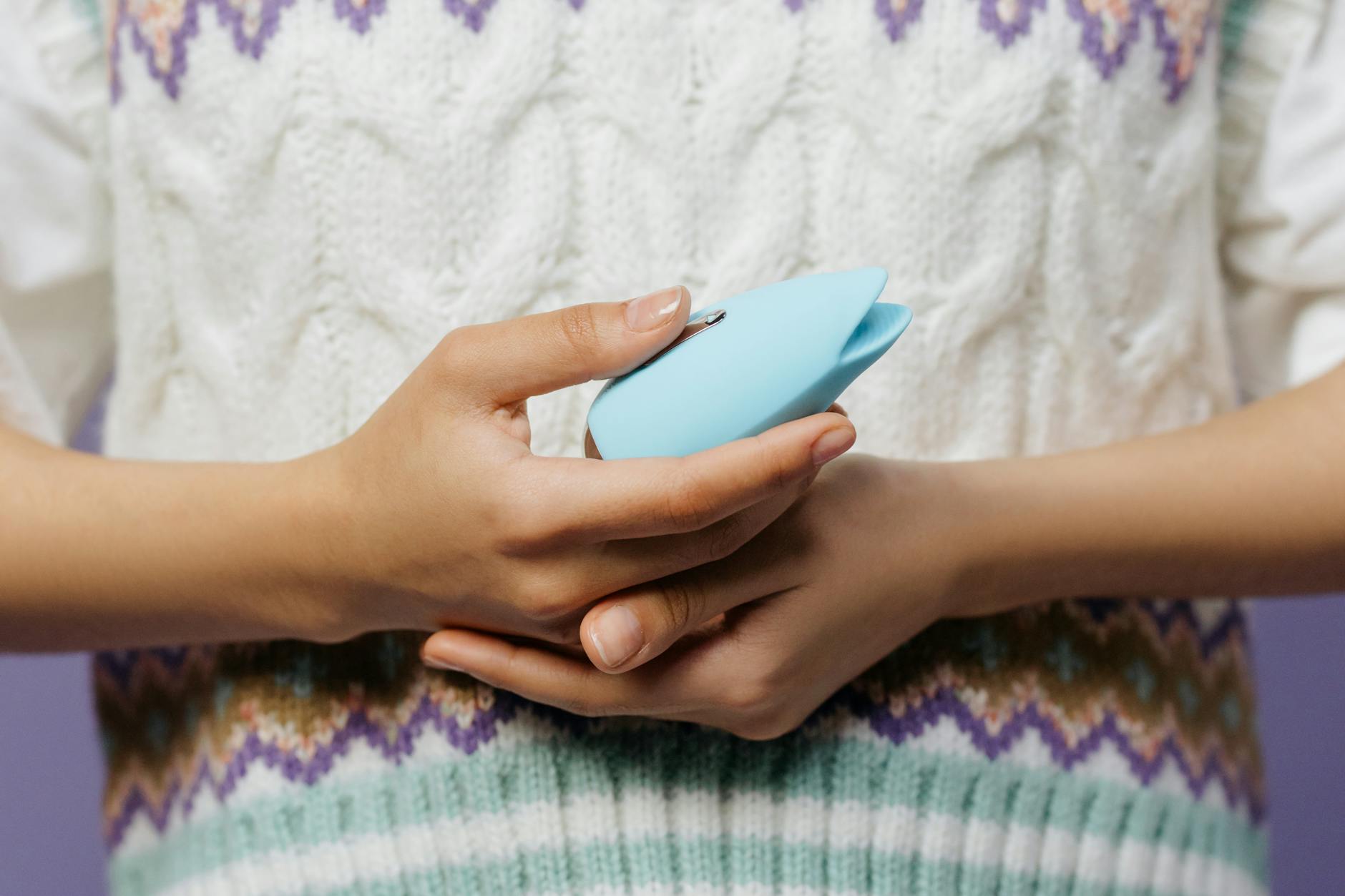
Here's the thing about mismatched stimulation styles
One of you wants feather-light circles. The other wants sustained pressure. One prefers rhythm; the other craves spontaneity. And suddenly sex becomes a negotiation instead of a moment.
I see this pattern constantly with couples. It's not about desire. It's not about incompatibility. It's that your nervous systems respond to different types of touch, and nobody's taught you a framework for honoring both.
Why stimulation preferences actually differ
Think of it this way. Sensitivity exists on a spectrum, and it's not the same spectrum for both of you.
Some people have a more reactive nervous system. They need lighter touch, gradual building, and lots of variability. Jump straight to intensity and they feel overstimulated or numb. Others have a more dampened sensory response. They need focused pressure, direct stimulation, and consistency to feel anything at all.
Neither is better. But when they clash, most couples do one of three things. One person gives in completely (resentment builds). You find a middle ground that leaves both of you unsatisfied. Or you avoid sex altogether because it feels like too much work.
A lemon vibrator, with its variable intensity and suction mechanism, actually sits in a space between traditional vibration and manual stimulation. That flexibility changes things.
What makes a lemon clitoral vibrator different for this dynamic
A standard vibrator does one thing: it vibrates at a frequency. If you have high sensitivity, that can feel jarring. If you have low sensitivity, that might not be enough.
A lemon adult toy works differently. Suction-based stimulation doesn't create the same sensation as vibration. It feels more like a sustained squeeze or gentle pull, which many people describe as closer to oral sex than to a vibrator. This matters because suction naturally creates peaks and valleys. It's not a constant buzz.
What that means for your situation: you can use suction levels and patterns instead of intensity to meet different needs. One partner might prefer pattern 1 at level 2 (barely-there, rhythmic). The other might prefer pattern 5 at level 4 (sustained, focused). Same toy. Wildly different experiences.
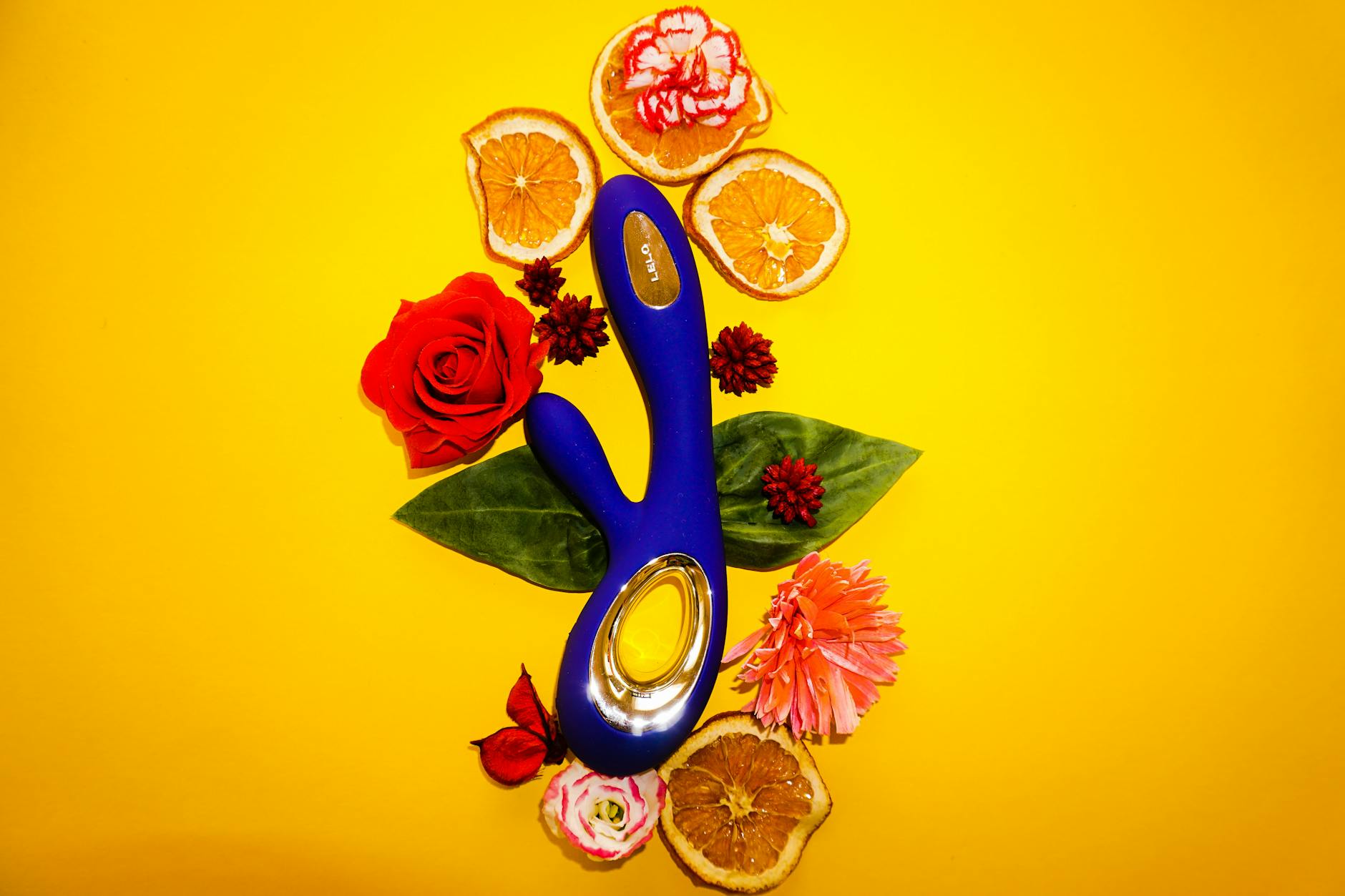
Photo by FounderTips on Pexels
The conversation to have first
Before you even touch the toy, name what's actually happening. Not "you like intense things" but "your body needs more direct pressure to reach orgasm" or "light touch feels overwhelming to me and I'm not sure why."
This sounds clinical, but it isn't. It's actually the opposite. You're moving from blame ("you always want too much") to observation ("our nervous systems are wired differently"). That shift changes everything.
Ask each other: What does good stimulation feel like? What sensation makes you want to pull away? Does it change depending on your stress level, cycle, or how much time you have? Is intensity the issue, or is it the type of sensation?
With a lemon sexual toy, you now have 5-6 patterns and 4-5 intensity levels. That's roughly 25 distinct sensations. You can map them together. "Pattern 3 at level 1 feels like what I need. Pattern 5 at level 4 is what you're looking for." Then you know your starting points.
How to actually use it when your preferences differ
Three approaches that work:
Sequential: take turns within one session. Start with what one person needs to warm up (usually the person with higher sensitivity threshold). Give them 5-8 minutes at their optimal setting. Then shift settings. Your partner gets their turn. This works because early arousal needs are often different from later ones. Light touch gets things started; more intensity sustains the peak.
Layered: combine the toy with other touch. One partner uses the lemon vibrator at their preferred setting while the other provides manual stimulation, kissing, or pressure elsewhere. This creates two simultaneous sensations. Your body stops comparing one against the other and starts integrating both. Weirdly, this often satisfies both preferences at once because the nervous system is processing multiple types of input.
Alternating control: hand it back and forth. If you're using the toy together or on a partner, switch who holds it every minute or two. The person holding it adjusts based on real-time feedback from their partner's body (breathing changes, muscle tension, vocal responses). This requires attention but creates intimacy. You're literally responding to each other in real time.
What to watch for (and adjust)
If one of you goes quiet or tense, the setting usually isn't working. Overstimulation looks like holding your breath or pulling slightly away. Understimulation looks like restlessness or gentle frustration. Neither is failure. It's information.
A lemon vibrator is forgiving because you can shift patterns every 10 seconds if you need to. You're not locked into one frequency like with a traditional vibrator.
Also: desensitization is real. If someone's been at pattern 5 level 5 for 15 minutes, their body stops responding. Back off. Let sensation reset. This is actually an advantage for couples with mismatched preferences because forced variety keeps both partners engaged.
When stimulation preferences are really about something else
Here's where I have to be honest. Sometimes "my partner wants too much intensity" is actually "I'm anxious during sex" or "I don't feel safe slowing down." Sometimes "I need more pressure" is "I'm disconnected and using intensity to feel something."
If you're noticing that no amount of pattern adjustment fixes things, or if one partner consistently refuses to try the other's preference, that's worth exploring together or with a therapist. A lemon clitoral vibrator is a tool for pleasure. It's not a fix for trust issues or avoidance.
That said. Most of the time, this is simpler than it feels. Different bodies have different wiring. You're both normal. You just needed a toy flexible enough to meet you where you are.
Why this matters more than you think
When you stop fighting each other's biology and start honoring it, sex stops feeling like a compromise. It becomes collaborative. You're not taking turns; you're orchestrating together.
Couples who figure this out report more consistent pleasure, shorter path to arousal for both partners, and—weirdly—more desire. Because desire thrives when you feel understood. And understanding happens when you stop assuming your partner's preferences are criticism of yours.
A lemon vibrator gives you a practical way to translate that understanding into sensation. That's the real win.
FAQ
Can we use a lemon vibrator if one of us has never used a toy before?
Absolutely. Start at pattern 1, level 1. It's gentler than it sounds. Let that person control the toy first so they understand what their own body is experiencing before adding a partner's input. Curiosity works better than convincing.
What if we're on opposite ends of the sensitivity spectrum and nothing bridges the gap?
Try sequential stimulation instead of simultaneous. Build arousal separately, then come together once both nervous systems are activated. Early arousal needs are different from peak arousal needs. You might find you're actually closer in preference than you thought once you're both further along.
Do both of us need to like the same patterns?
No. This is the point. With a lemon sexual toy, you're not limited to one sensation. One partner might love pattern 3 at level 2, and the other craves pattern 5 at level 4. You map your preferences and then communicate. "Tonight I need pattern 2" is just information, not rejection.
How do we talk about this without it feeling awkward?
Start outside the bedroom. "I've been thinking about how different our preferences are, and I don't think we've actually named them clearly. Want to map it out?" Make it about curiosity, not criticism. The lemon vibrator becomes the vehicle for that conversation, not the source of tension.
What if one partner is way more interested in using toys than the other?
That's a separate conversation, and it matters. If someone's resistant to toys in general, pushing a lemon vibrator won't help. Start by asking what the resistance is about. Is it insecurity? Discomfort with the idea? Overstimulation anxiety? Once you know, you can address the actual thing. A toy can be introduced when the person is genuinely curious, not when they're being pressured.
Can we use a lemon vibrator if we're in a long-distance phase?
Yes, but differently. Some couples use it for solo pleasure during video calls. Others save toy exploration for in-person time. There's no rule. The point is that when you do have time together, you're not wasting energy figuring out what works. You already know.
You don't have to choose
Mismatched stimulation preferences feel like a problem until you realize they're actually information. Your partner isn't rejecting your favorite sensation. They're just wired to experience pleasure differently.
A lemon vibrator, with its range of patterns and intensities, gives you a concrete way to honor both. That's not compromise. That's collaboration. And that changes sex from something you negotiate into something you actually want.
If you're still navigating how to talk about these differences with your partner, our contact page can connect you with resources. Or explore more about using a lemon vibrator with a new partner if you're working through these conversations for the first time.