The strange relief of wanting again
For months or maybe years, your sex drive flatlined. That was partly the condition you were treating, and partly the medication itself. SSRIs, SNRIs, and other antidepressants are brilliant at stabilizing mood. They're also famous for killing libido and making orgasms harder to reach. You learned to live without wanting. It was actually quieter, sometimes easier.
Then something shifted. Maybe you switched medications, adjusted your dose, or simply gave your body time to adjust. And suddenly you're noticing your partner again, thinking about sex, feeling actual arousal. Which should feel great. Except your body might not quite remember how this works.
Honestly, that's completely normal. Let me walk you through what's happening physiologically and what actually helps.
Why antidepressants kill libido in the first place
SSRIs work by increasing serotonin availability in your brain. That's excellent for mood stability and anxiety. But serotonin also suppresses dopamine signaling, and dopamine is your brain's main "wanting" chemical. High serotonin, lower dopamine. Low desire follows.
On top of that, antidepressants can reduce blood flow to the genitals, flatten arousal response, and delay or prevent orgasm entirely. For some people, the sexual side effects are mild. For others, they're severe enough to consider switching meds. The point is: it's not in your head, it's in your neurochemistry.
So when you come off these medications or switch to something with fewer sexual side effects, your dopamine production slowly normalizes. Desire creeps back in. But your nervous system has spent a long time in a low-arousal state, and it doesn't snap back to baseline overnight.
What happens physically when arousal returns
Three things are usually true at the same time:
Your desire is real, but your body's response lags. You might feel mentally aroused without your genitals cooperating. This is different from before meds. It's not dysfunction. It's deconditioning. Your body is literally relearning the pathway from wanting to physical response.
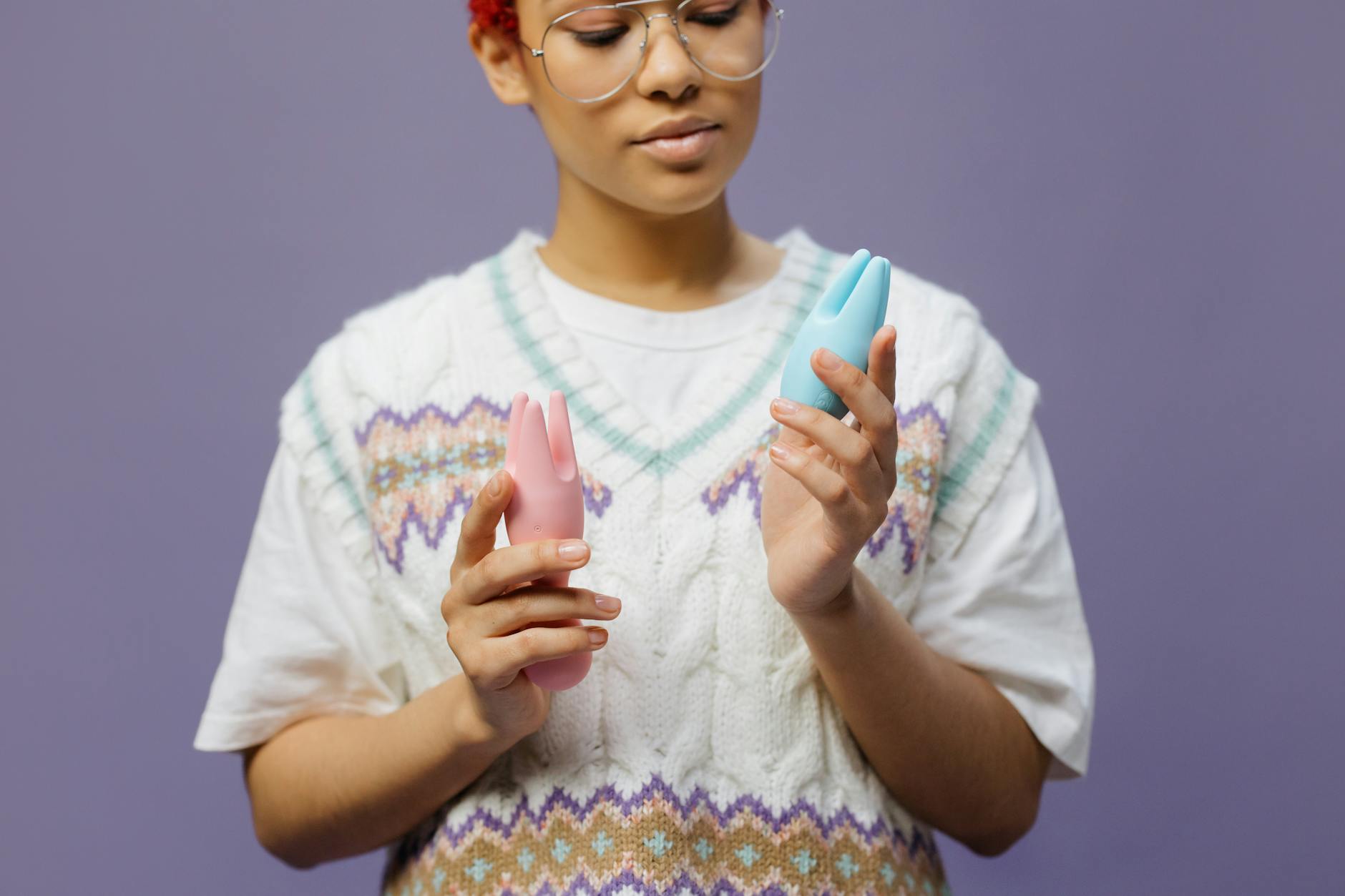
Sensation sensitivity often shifts. Some people report that direct clitoral stimulation feels too intense when arousal comes back, like their nerve endings are hypersensitive. Others find sensation muted. Both are possible depending on how your particular brain chemistry is reorganizing. Air-suction tools like the Lem can help with this because they stimulate differently than traditional vibration. The gentle suction engages nerves without harsh friction.
Orgasm might feel different, or take longer. You might have been able to orgasm on SSRIs eventually, just with difficulty. Now that arousal is returning, your orgasm response is recalibrating. Some people find their first orgasms after medication changes are more intense. Others find them quieter or less distinct. Both are normal.
The nervous system reset you're actually going through
Your sympathetic and parasympathetic nervous systems got used to a particular chemical environment. The parasympathetic (rest and digest, arousal-ready) branch was dampened. Now it's waking up. That's why some people feel anxiety about sex again, even though they want it. Anxiety and desire are both controlled by arousal. Your nervous system is figuring out which one wins.
If you're with a partner, this can feel chaotic. You want them. Your body doesn't cooperate. They might feel rejected. You might feel broken. Neither of those things is true.
What's actually happening is that you're rebuilding a skill. Arousal is a skill. It's not automatic, even though it might have felt that way before. After medication dampened it for months or years, you need to practice it again.
How to actually reconnect with pleasure
Four steps that work:
Start solo. Pressure from a partner, even loving pressure, makes this harder. Spend at least a few weeks exploring what turns you on again without anyone else in the room. Use a lemon clitoral vibrator like the Lem on the lower intensity settings (levels 1-3). Let yourself notice what feels good, what feels weird, what feels nothing. That information matters.
Go slow with foreplay. When antidepressants were dampening arousal, you might have needed hours of foreplay to get going. That phase is over. But you probably still need more warm-up time than you did before meds. Budget 20-30 minutes of touch, kissing, and mental focus before moving to genital stimulation. Your parasympathetic nervous system needs time to shift gears.
Communicate the shift to your partner. Tell them exactly this: "My body is relearning arousal. I want you. My nervous system is just catching up." Not "I'm not attracted to you" or "Something's wrong." The first version is information. The second creates distance.
Use the right tool. How to use a lemon vibrator when arousal takes longer after 40 covers a lot of this, but the principle holds: air-suction vibrators like the Lem work well during this phase because they provide stimulation without requiring the kind of direct friction that can feel overwhelming to a desensitized clitoris. You can control intensity precisely, starting at barely-there and building.
When sensation feels muted or weird
Some people come off antidepressants and find their clitoris feels numb or distant. Others find direct touch unbearable. Both happen, sometimes in the same person at different times.
For numbness: the Lem's gentler patterns (especially 1-2) can help you rebuild sensation awareness without overstimulating. Use it for 5-10 minutes daily without the goal of orgasm. You're teaching your nerve endings to wake up.
For hypersensitivity: lower the intensity, use the Lem through underwear, take longer breaks between sessions. Your nervous system will regulate. It just needs time.
If sensation stays muted for more than a few weeks, mention it to your prescriber. Sometimes switching to a different SSRI or adding a medication that counteracts sexual side effects (like bupropion) helps. You don't have to live with this.
The partner piece matters more than you think
A lot of people assume that if both partners are on board, reconnecting sexually after antidepressant side effects should be smooth. It often isn't. Because your partner has also adapted. They've learned not to initiate. They've stopped expecting sex. They might feel resentful about the years of low intimacy, or they might feel guilty for that resentment.
When you suddenly want them again, they might not know what to do with it. Some partners respond with relief and enthusiasm. Others freeze because they've protected themselves from rejection for so long.
This is a conversation, not an assumption. Tell them what you need: "I want us to start small and rebuild this together. I need you to check in with me, and I need to check in with you." How to use a lemon vibrator with your partner after loss of desire goes deeper into this dynamic.
The timeline is longer than you'd think
Here's what I tell my clients: expect 8-12 weeks of genuine reconnection before sex feels "normal" again. Some people get there faster. Some take longer. Your brain and body went through a significant chemical shift. Recovery isn't instant.
Week 1-2: Desire is there, arousal response is confused. You might feel frustrated or disconnected from your own body.
Week 3-4: Arousal starts responding more predictably. You might notice your sensitivity shifting (sometimes hypersensitive, sometimes muted, sometimes both on different days).
Week 5-8: Orgasm becomes more achievable. It might still feel different than pre-medication. That might always be true, and that's okay.
Week 9-12: The new baseline establishes. You know what you like now, what takes longer, what your body needs.
Questions people actually ask
Will my sex drive ever feel like it did before meds?
Maybe, maybe not. Some people's libido returns identically. Others find a new baseline that's actually better because they're less anxious. The goal isn't to return to exactly what was. It's to have the intimacy and pleasure you want right now.
What if I'm still on antidepressants but the sexual side effects have gotten worse?
Talk to your prescriber specifically about sexual side effects, not just "depression." They have options: lowering your dose, taking it at a different time, switching medications, or adding something that counteracts sexual dysfunction. Don't assume you have to choose between mental health and sexual health. That's a false choice.
Can a lemon vibrator help if sensation feels completely numb?
Yes, but patience is key. The Lem's air-suction technology stimulates nerves differently than vibration alone. Start at the lowest setting and use it regularly without pressure for orgasm. You're retraining sensation awareness. It usually takes 2-4 weeks to notice a shift.
How do I know if my libido loss is medication or something else?
If it started when you began antidepressants, or got worse when you increased your dose, it's probably medication-related. If it started before meds or persists after you've been off them for several weeks, there might be other factors: relationship issues, stress, low iron, hormonal shifts, or other medical conditions. Mention all of it to your prescriber.
Should I stop taking my antidepressants to get my sex drive back?
No. Ever. Work with your prescriber on options. Stopping abruptly can trigger withdrawal symptoms and depression returning. There are always better answers than that.
Is it normal to feel anxious about sex when libido returns?
Completely. Your nervous system learned to stay in low-arousal mode. When arousal energy comes back, sometimes anxiety comes with it. It settles down. Anxiety and arousal use similar pathways in your nervous system. You're just rebalancing.
What actually helps, in short
Your desire returning is a gift. Your body learning how to respond again is real work. Give yourself the time and patience you'd give anyone relearning a skill. Use tools that work with your body, not against it. Talk to your partner and your doctor. And know that the pleasure you find on the other side of this is genuinely worth the effort. If you're struggling, that's what /contact is for. We're here to help you figure it out.