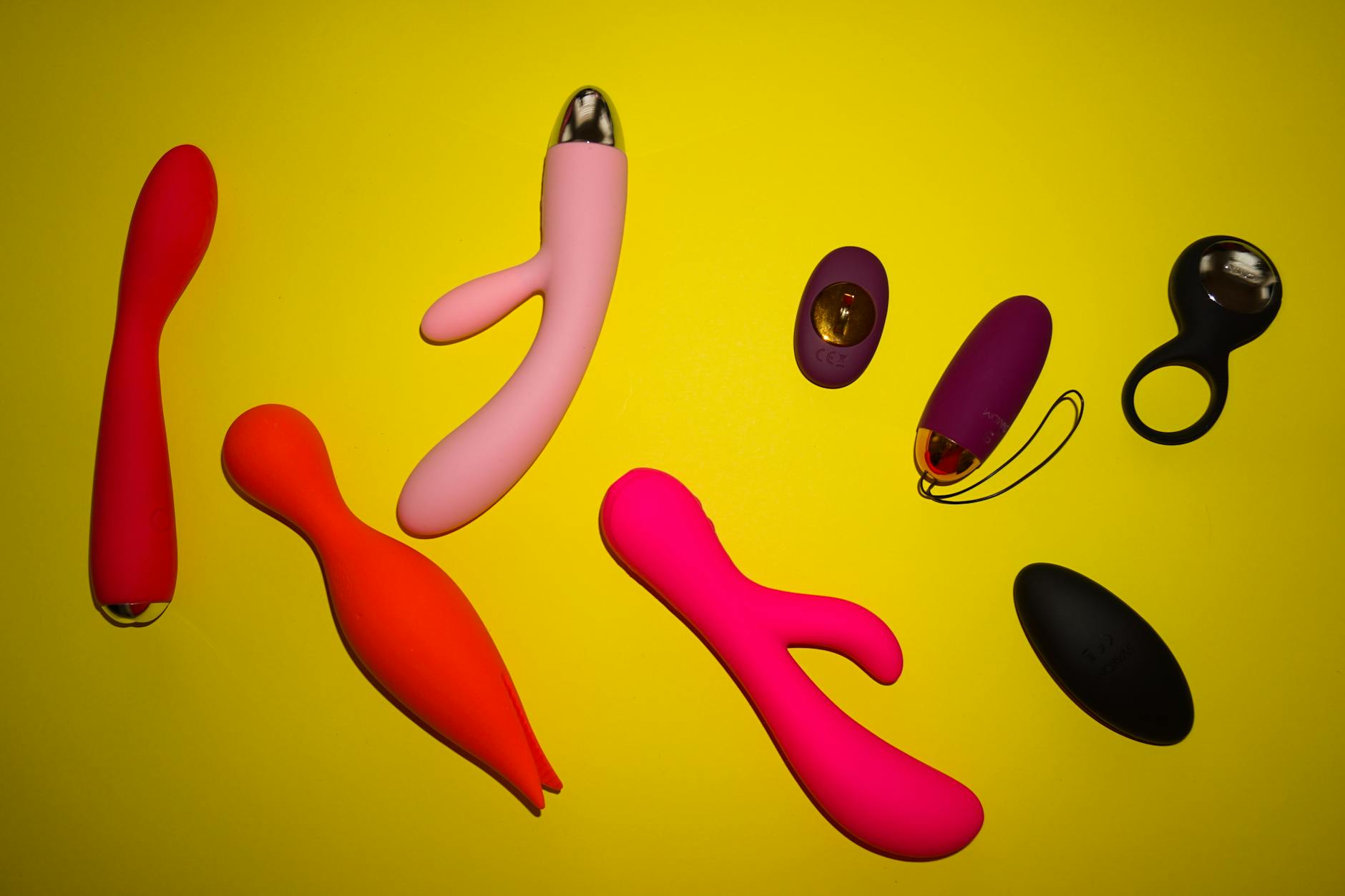
When your hormones hijack your libido
Here's what nobody tells you straight: your hormones don't make you want sex less. They change what your body needs to get there. That's wildly different, and the distinction matters because it means your pleasure isn't broken. You've just hit a phase where the old shortcuts don't work anymore.
I see this constantly in my practice. A client will come in convinced their desire has flatlined, but what's actually happening is their dopamine response has shifted. Or their estrogen has dipped enough that clitoral tissue needs different stimulation to wake up. Or they're ovulating on a cycle that no longer runs like clockwork. The pleasure machinery is still there. You just need different keys.
What hormones actually change about arousal
Let's start with the neurobiology because it's less depressing when you understand what's happening. Estrogen and testosterone both amplify dopamine sensitivity in the brain. When those hormones drop, your dopamine receptors become less reactive. That means the thing that used to make you tingle now feels meh. That's not about wanting your partner less or finding pleasure disgusting. It's a signal transduction problem.
Progesterone also matters because it makes you calmer and less reactive to stimulation during the luteal phase. If you're cycling, the week before your period, your nervous system is literally primed for lower arousal. Knowing that date lets you work with your cycle instead of fighting it.
Then there's the tissue problem. Estrogen keeps vaginal and clitoral tissue thick and well-lubricated. When estrogen drops, that tissue thins. A thick clitoral glans is more forgiving. Thinner tissue is more sensitive and needs gentler approaches. This is why something that felt perfect at 25 might feel too intense at 35, or after stopping hormonal birth control, or in early perimenopause.
The nervous system piece is huge too. Cortisol, your stress hormone, is an arousal killer. High cortisol floods the amygdala, which tells your body "threat incoming" instead of "pleasure available." Hormonal birth control can raise cortisol. Thyroid problems do. Sleep deprivation does. Relationship stress does. When cortisol is elevated, your sympathetic nervous system wins the fight with your parasympathetic system, and arousal becomes almost impossible.
Why a lemon vibrator works differently when hormones shift
A lemon clitoral vibrator, sometimes called a lemon sucker, uses air-pulsation technology instead of traditional vibration. This matters when hormones have made your tissue more sensitive or less responsive, because air-pulsation stimulates nerves without the mechanical pressure of a vibrating motor.
Think about it like this. Traditional vibrators use repetitive oscillation. That works great when tissue is robust and your dopamine is cooperating. But when your clitoris is either hypersensitive from hormonal shifts or less responsive because your neurotransmitters are sluggish, you need precision without force. Air-pulsation gives you that. It's more like a pulsing sensation than a buzzing one. You feel exactly where the stimulation is happening, and you can build intensity gradually without overwhelming your nervous system.
The lem vibrator also lets you use lower intensity settings. If your hormones have made direct vibration feel too intense, patterns 1 and 2 on a lemon clitoral vibrator will often feel like the Goldilocks zone. Strong enough to register with your dampened dopamine but not so strong that it feels harsh on thinner, more sensitive tissue.
Mapping your cycle to your lemon vibrator approach
If you still cycle, even irregularly, your hormones shift predictably enough that you can plan around them. This matters because using the right tool at the right time in your cycle sets you up for actual pleasure instead of frustration.
Days 1-5 (menstruation). Dopamine is low, estrogen is climbing, and your pelvic floor is often tender. This is not the time to be ambitious with intensity. Use your lemon adult toy on patterns 1-2, take longer warming up (20-30 minutes), and focus on consistent sensation rather than building toward orgasm. Your nervous system is primed for regulation. Let it work.
Days 6-14 (follicular phase). Estrogen is rising, dopamine is rising, your clitoral tissue is thickening. This is when you might feel most responsive. You might be able to move to patterns 3-4 on a lemon sexual toy and build intensity faster. This is your sweet spot. Use it. Plan partnered sex here if desire has been hard to access.
Days 15-21 (ovulation). Testosterone and estrogen both spike. This is often the week of highest arousal, regardless of hormonal status. Your clitoris is engorged, your dopamine is high, your skin is primed to feel touch. A lemon vibrator at higher intensity can feel amazing. You might also orgasm faster or more intensely than other weeks. This is normal variation, not a problem.
Days 22-28 (luteal phase). Progesterone is rising, dopamine is dropping. Your nervous system is supposed to downregulate. Fighting that is exhausting and fruitless. Instead, give yourself permission to need longer warmup, more lube, lower intensity on your lem vibrator, and longer sessions. Your body isn't broken. It's cycling. Work with that rhythm instead of against it.
The practical switches: how to actually use your lemon vibrator
When hormones are making arousal harder, the mechanics of using a lemon clitoral vibrator matter more than usual. Here's what I recommend.
Start with pattern 1. Not because you're weak or broken, but because your nervous system needs time to recognize this as pleasure, not threat. Your brain is flooded with cortisol or low in dopamine. Jumping to pattern 4 will feel jarring and wrong. Pattern 1 teaches your body that stimulation is safe.
Add lube even if you think you don't need it. When hormones have thinned tissue, friction becomes a factor faster. Water-based lube reduces that friction and lets you focus on sensation instead of tension. It also signals to your nervous system that you're being gentle with yourself, which helps parasympathetic activation.
Warm up longer than you think you should. When dopamine is low, arousal takes 20-40 minutes instead of 5. That's not dysfunction. That's physiology. Budget the time. Start with touch, kissing, whatever foreplay works for you, then add your lemon sexual toy at low intensity once you're already partially engaged.
Building intensity matters less than consistency. Instead of trying to ramp up to an orgasm-focused endpoint, focus on sensation. Spend 15 minutes at pattern 2. Notice how it feels. Move to pattern 3 when pattern 2 stops feeling new. Arousal built this way is more reliable and often more intense than arousal chased aggressively.
If you're with a partner, use your lemon vibrator together rather than instead of partner contact. The pressure to orgasm kills arousal more reliably than low hormones do. When a partner is involved and you're struggling with hormonal drops, using a lemon clitoral vibrator while they're touching you elsewhere takes the performance pressure off both of you. You get to focus on pleasure. They get to feel included.
When hormonal shifts need medical support
If your arousal has completely vanished and building it back through technique isn't working, see someone who understands hormones. This could be your GP, a menopause specialist, an endocrinologist, or a women's health therapist. Sometimes low desire is a straightforward hormonal deficit that responds to cream, patch, or pill. Sometimes it's thyroid. Sometimes it's medication side effects that can be adjusted.
Don't assume because your partner finds you attractive or you used to enjoy sex that this is just psychological. Hormones are physical. Your brain chemistry is physical. A lemon vibrator is a fantastic tool, but sometimes you need to also address what's happening in your bloodstream.
If you're on hormonal birth control and your desire has been missing for months, talk to your prescriber about switching formulations. The hormone dose and type matter. A pill that nuked your dopamine at 25 might be fine now, or might still be the problem.
If you're in perimenopause or menopause and desire has evaporated, testosterone replacement or topical estrogen might be relevant. These aren't cosmetic. They're how your body works. Using a lemon clitoral vibrator plus addressing the hormonal substrate is more effective than either alone.
The thing about pleasure and patience
When hormones have muted your arousal, the most common mistake is treating pleasure like a problem to solve aggressively. You buy a vibrator, you set it to high, you aim at the goal of orgasm, and then you feel crushed when nothing happens. That approach works great when your neurotransmitters are cooperative. It's counterproductive when they're not.
Instead, patience. Your lemon vibrator is a tool for discovering what your body needs right now, not what it needed five years ago. Those patterns on a lem vibrator aren't shortcuts to arousal. They're invitations to your nervous system to relax and pay attention. Sometimes that leads to orgasm. Sometimes it leads to relaxation, closeness, or just the relief of feeling pleasure again even if you don't climax.
Your hormones are going to keep shifting. Your cycle might stay regular or it might get weirder. Your response to stimulation will keep evolving. The lemon clitoral vibrator you learn to use thoughtfully during a difficult hormone phase becomes a tool you'll use differently when your hormones shift again. That flexibility is the point.
Frequently asked questions
How do I know if my low arousal is hormonal or emotional?
Honestly, it's usually both. Hormones make the emotional stuff harder to recover from, and emotional stress raises cortisol, which suppresses hormones. The way to test: spend two weeks working with your cycle, using lower intensity on your lemon vibrator, and being patient with warmup. If arousal improves noticeably during your follicular phase or ovulation and drops again in your luteal phase, hormones are a major player. If arousal stays flatlined across your whole cycle, emotional stuff (relationship friction, stress, past hurt) is probably the bigger factor. You might need both a lem vibrator and a conversation.
Can I use a lemon clitoral vibrator every day when my hormones are off?
Yes, and you might want to. Daily gentle use of a lemon sexual toy at low intensity can actually help reregulate your dopamine response over time. It teaches your nervous system that pleasure is available. Just avoid high intensity daily, which can lead to habituation. Mix patterns, take rest days, and listen to what your body wants rather than pushing toward a performance metric.
Why does my lemon vibrator feel numb sometimes and too intense other times?
That's your cycle. Same vibrator, same tissue, different hormones and different nervous system state. When progesterone is high (luteal phase), your nervous system is naturally less reactive. When estrogen spikes (ovulation), sensitivity increases. This isn't malfunction. It's your body communicating. Adjust intensity and patterns to match where you are in your cycle rather than expecting the same settings to work every day.
Should I tell my partner about my hormonal arousal shifts?
Yes. Not as confession or apology, but as information. "My cycle is shifting how I respond to stimulation" or "I need more warmup this week" is useful data that helps both of you. It also removes the shame that makes hormonal shifts feel like rejection. When your partner understands your lemon vibrator isn't a replacement for them but a response to real physiology, it becomes a tool you're using together rather than a sign something's wrong.
What if hormonal birth control killed my arousal and I've been off it for months but desire still hasn't returned?
This can take 6-12 months to fully recover. Hormonal birth control can suppress dopamine and testosterone, and those don't always bounce back immediately. Use your lemon clitoral vibrator regularly, but also see a hormone specialist. Sometimes low desire persists because thyroid got tangled up, or because your baseline testosterone is genuinely low, or because you're now cycling in a pattern that doesn't match what you experienced before. A lemon sucker helps. So does getting bloodwork done.
Can a lemon vibrator help with desire if I'm on antidepressants that affect arousal?
Partially. Antidepressants that affect serotonin can suppress dopamine and orgasm response. A lemon clitoral vibrator at low intensity with longer warmup often helps because the air-pulsation approach engages your nervous system differently than a traditional vibrator. But medication side effects sometimes need medication adjustment. Talk to your prescriber. Sometimes switching to a formulation with less sexual side effect is possible. A lem vibrator is a useful band-aid, not a solution to the underlying issue.
Moving forward with your body
Your hormones are going to keep shifting. Your pleasure is not a fixed thing that either works or doesn't. It's a conversation between your brain chemistry, your tissue, your nervous system, and whatever's happening in your life. A lemon clitoral vibrator is a tool that helps you listen to that conversation and respond thoughtfully instead of fighting your physiology.
Start with patience. Start with low intensity. Start with longer warmup than feels necessary. Your body will tell you what it needs from there. If desire is still absent after three consistent months of thoughtful use and hormonal support, reach out. This is exactly the kind of work I do in practice, and you don't have to figure it out alone.