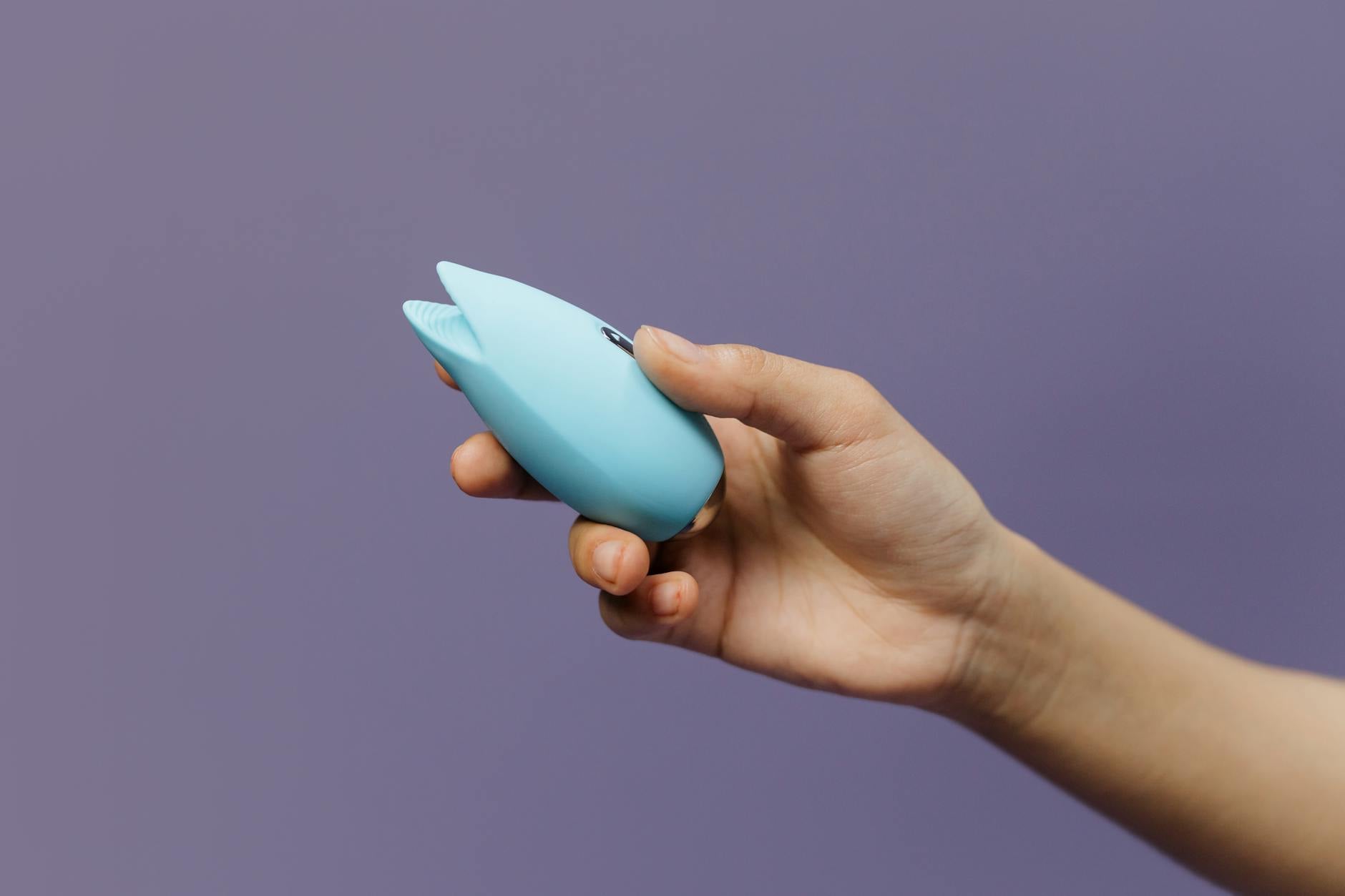
How to Use a Lemon Vibrator for the First Time with Your Partner
The conversation before the toy matters more than the toy itself. Here's how to introduce a lemon clitoral vibrator without triggering defensiveness, shame, or misunderstanding.
You want to bring a lemon vibrator into your sex life with your partner. But the thought of it makes you anxious. That's not a red flag. That's normal. Most people worry that introducing a toy means something is wrong, that they're being rejected, or that they're about to trigger their partner's insecurity. Here's the thing: the conversation itself isn't the problem. The problem is that we talk about toys as if they're a last resort instead of just another way to have pleasure together.
I've worked with hundreds of couples who brought adult toys into their relationships successfully, and the ones who felt the smoothest about it? They had one thing in common. They separated the logistics from the emotional conversation. You're not asking for permission. You're not announcing a deficit. You're proposing something new. Big difference.
Don't bring this up during sex or right before it. Don't do it when one of you is stressed, hungry, or irritable. The best moment is a calm evening, maybe when you're sitting together but not undressed, not in bed. Somewhere neutral. This signals that the conversation is about your desire, not a crisis or a surprise attack.
If your relationship is already tense, acknowledge that first. "We haven't felt as connected lately, and I think adding something playful might actually help us feel closer." That's honest. That's different from dropping a vibrator on the nightstand and hoping for the best.
Timing also includes frequency. Don't have this conversation every week. Once you've brought it up respectfully, let it sit. Your partner needs time to process. They might say no immediately, they might ask questions, they might need a few days to think. All of those are okay.
Start with honesty about your desire, not about what's missing. Here are phrases that work:
"I've been curious about trying a lemon vibrator together. I think it could feel really good for both of us, and I'd like to explore that with you." That's clear. It's about wanting pleasure, not about fixing something broken.
Avoid: "I feel like we need to spice things up" or "I'm bored." Both of those are about lack, and your partner will hear criticism, even if that's not what you meant.
If your partner immediately says no, don't argue. Instead, ask why. "Help me understand what you're worried about." Often the fear is abstract until you say it out loud. It might be about feeling replaced, or about how they were raised, or about performance anxiety. Once you know the real fear, you can actually address it.
Your partner deserves honesty without oversharing. You don't need to detail your masturbation habits or confess that you came harder alone than with them. You do need to explain what's drawing you to it.
"I've read that lemon vibrators work differently than traditional vibrators, and the suction pattern seems like something that could feel new for both of us." That's specific and non-threatening. You're not comparing them to anything. You're talking about the toy.
Or: "I love you. I also know that my body responds well to a certain kind of stimulation, and I'd like to bring that into our time together instead of keeping it separate." That's integration, not replacement.
Once your partner is open to the idea, talk about the logistics before you buy anything. This is where you separate the emotional from the mechanical.
When. "Would you want to do this on a specific night, or would we just try it spontaneously?"
How. "I'm thinking I use it during foreplay, but we could experiment." Or "Would you want to hold it, or would you prefer I do?" Let them choose. Agency matters.
Pressure. "If it doesn't feel right the first time, we drop it, no judgment." Seriously. Some couples need three attempts. Some realize toys aren't for them. Both are fine.
Privacy. If you have kids or roommates, talk about where this happens and how you keep it private. That's not awkward. That's respect for everyone's space.
You might also talk about your hopes: "I'm hoping this helps us both feel more pleasure together." That's invitation, not demand.
Don't make it theatrical. You're not unveiling a surprise. You're bringing it into the bedroom the same way you'd bring lube. Set it on the nightstand, mention it's there, and proceed.
If your partner wants to explore it before you have sex, great. They might hold it, turn it on, feel how it works. Curiosity reduces fear. Let that happen without rushing.
When you first use a lemon vibrator during sex, start at low intensity. Let your partner see how you respond. Sometimes watching your pleasure helps them feel less threatened and more engaged. "Does this feel good for you?" Check in. Not constantly, but genuinely.
Some partners will say no and mean it. Respect that. You have three options: accept the boundary, have a deeper conversation with a couples therapist, or acknowledge that you want different things sexually. None of those is failure. They're just the shape of your relationship.
If your partner seems open but then freezes up during the moment, pause. "What's going on?" Listen. It might be performance anxiety. It might be they realized they weren't as ready as they thought. Pressure doesn't help. Patience does.
One note: if you've been using a vibrator privately and your partner doesn't know about it, tell them before you suggest using one together. Secrecy creates resentment faster than anything else.
After you try it, check in separately from sex. "How did that feel for you?" This is different from "Did you like the toy?" You're asking about the experience, the intimacy, the thing that matters.
Your partner might love it. They might feel neutral. They might want to adjust how you use it next time. All of those are data. None of them are wrong.
If they loved it, great. You might use the lemon vibrator regularly, or just sometimes. You might find that it opens up conversations about other desires you've both been quiet about. That's the real gift of bringing something new into the bedroom. It gives you permission to talk about pleasure.
Introducing a lemon clitoral vibrator to your partner isn't a risk to your relationship. It's an opportunity to deepen communication about what you both actually want.
If your partner is extremely resistant and it's tied to deeper issues around control, shame, or trust, a couples therapist can help you both sort through it. I've seen couples unlock whole new levels of intimacy once they worked through the shame around desire. That's valid work.
If you're introducing this because your relationship is already struggling, know that a toy won't fix that. The conversation and the closeness will help, but the real work is in how you rebuild arousal together after emotional distance.
Introducing a lemon vibrator to your partner is not about the toy. It's about saying, "My pleasure matters, your pleasure matters, and I want us both to feel good." That's vulnerability. That's also maturity. Most long-term couples never have that conversation. They stay quiet and assume things, and they wonder why sex fades.
You're doing something harder and more honest. You're asking for what you want and inviting your partner into that wanting. That's the foundation of good sex at any stage of a relationship.
Absolutely. In fact, I recommend it. Let your partner watch if they're open to it. This demystifies the device and shows them it's not scary. You're just using it for pleasure. It's normal.
That's often a good sign. It means they're curious and engaged. Let them explore. You might guide them a bit ("a little slower here" or "more pressure there"), but mostly just enjoy being touched. Their engagement matters more than their technique.
Completely. Not everyone is comfortable holding or exploring a toy, and that doesn't mean they don't want you to have pleasure. Some people prefer to focus on other kinds of touch. That's a valid preference, and it works fine with a lemon clitoral vibrator.
You ask. "Are you genuinely open to this, or are you saying yes because you think I want it?" People can tell the difference between real consent and people-pleasing. If your partner is people-pleasing, the experience will feel hollow for both of you. Better to know now.
Then you both get to experience it. Some couples use the same device. Some eventually buy separate ones. You'll figure out what works for you. This is actually a sign the conversation worked. You're both exploring pleasure.
After. Buy it only once your partner has said yes and you're both on the same page about trying it. This keeps the conversation separate from the logistics and shows you respect their input. Plus, if they want something different than you expected, you can adjust.
Introducing a lemon vibrator to your partner requires honesty, timing, and patience. It's not romantic. It's practical and vulnerable and real. That's exactly what good partnerships are made of. Start the conversation when you're both calm. Listen more than you talk. Respect the no and celebrate the yes. And remember: you're not trying to fix anything. You're trying to feel good together. That matters.