Here's what nobody tells you about perimenopause and pleasure
Perimenopause isn't one thing. It's a decade-long hormonal fluctuation where your estrogen and progesterone ping-pong wildly before eventually settling into menopause. One week you feel like yourself. The next week, arousal is sluggish, lubrication is unpredictable, and your clitoris responds to stimulation differently than it did last month.
This is maddening. And it's completely fixable.
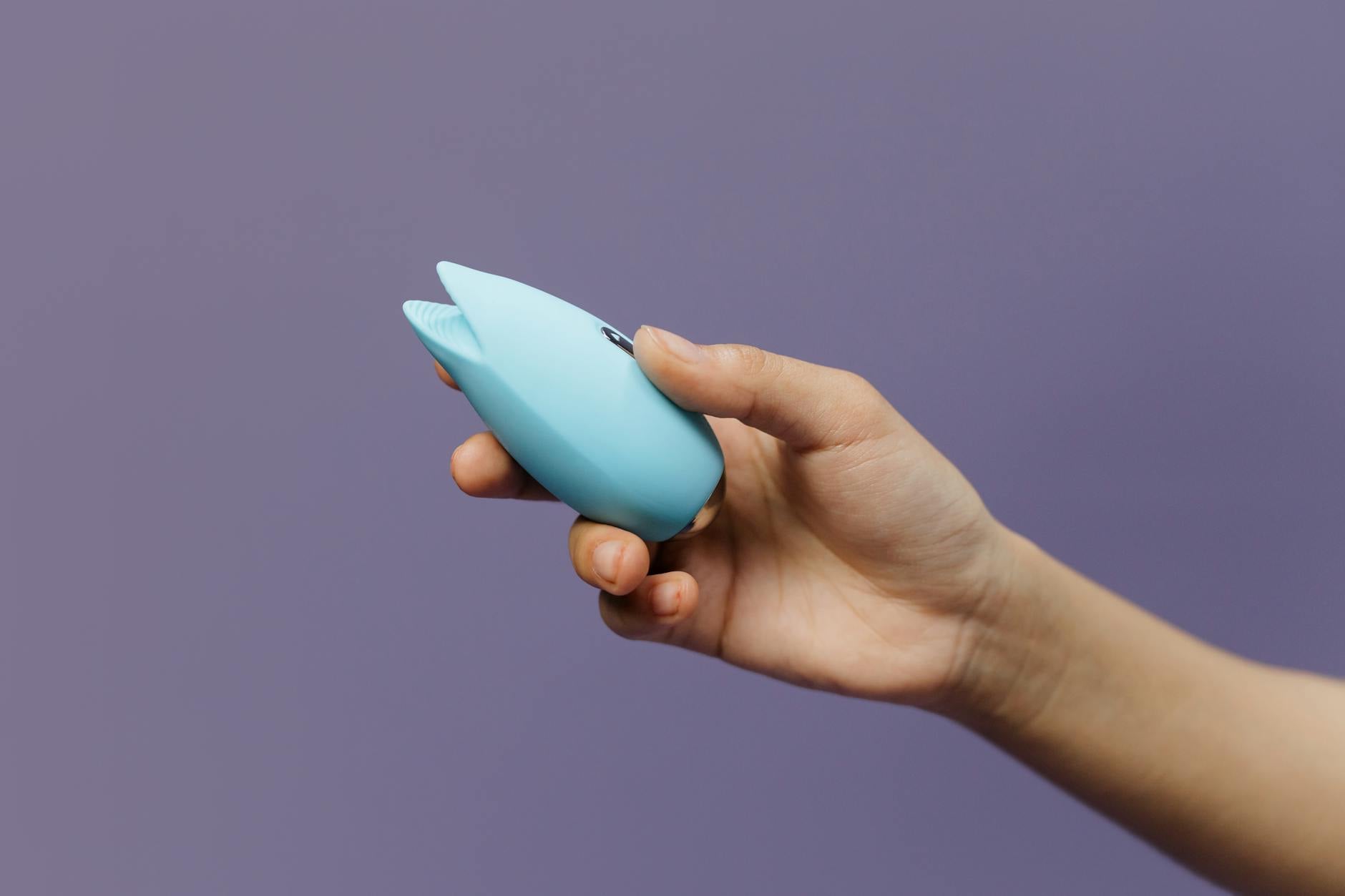
One of the most useful tools I've recommended to clients navigating perimenopause is a quality clitoral vibrator, specifically one that uses suction rather than just vibration. A lemon vibrator, like the Lem, works differently on your body during hormonal flux because it doesn't rely on the same direct friction that can feel uncomfortable when tissues are drier or more sensitive.
Why arousal timing changes during perimenopause
When your hormones are cycling unpredictably, your central nervous system gets mixed signals about whether you're in a receptive state. Estrogen affects dopamine production. Dopamine drives desire. When estrogen drops mid-cycle, desire often drops with it, even if you want to feel aroused.
This isn't psychological. Your brain literally receives fewer signals that say "go." This is why you might feel ready one day and completely uninterested three days later, even in identical circumstances.
A lemon vibrator bypasses some of that neurological lag. Direct stimulation to the clitoris wakes up sensation pathways independently of your arousal narrative. Many of my clients report that using a lemon clitoral vibrator actually helps them feel aroused, rather than waiting for arousal to happen first.
Reverse the order. Let the vibrator create the pathway instead of waiting for desire to clear the path.
The lubrication reality during hormonal fluctuation
Perimenopause lubrication is inconsistent. Some days you have plenty. Some days you don't, even when you're genuinely turned on. This inconsistency creates friction (both literal and emotional) if you're expecting your body to work the way it always has.
Here's what I tell clients: water-based lubricant isn't optional during perimenopause. It's a tool, like a vibrator, that makes the whole experience feel better. A lemon sucker or lemon vibrator works best when paired with quality lubrication. The suction action of the Lem requires a slight moisture barrier to feel smooth rather than sticky or uncomfortable.
Apply lubricant before you start. Reapply if things feel dry mid-session. Your tissues are temporarily more sensitive, and friction causes inflammation that makes the next few days feel worse.
One specific strategy: warm water-based lubricant feels better than cold. A small tip from clients who swear by it is to keep the bottle in warm (not hot) water for a minute before use. This small adjustment creates a more pleasurable sensation overall.
Arousal takes longer now, and that's your information
Perimenopause often extends the warm-up phase from five or ten minutes to twenty or thirty. This feels frustrating if you're comparing it to how fast you used to get going. But here's the reframe: this is useful information about what your body needs right now.
For partners, this is crucial. If you've been expecting instant arousal and it's not happening, the problem isn't your body. The problem is the expectation. Slow down the timeline. Budget more time. Use a lemon vibrator earlier in the session rather than as a finale, and let it work while you're still in the warm-up phase.
For solo exploration, this means leaning into longer sessions. Foreplay with yourself isn't "less" than jumping straight to orgasm. It's often more satisfying because you're aligned with what your body actually needs. A lemon clitoral vibrator gives you something to do while your arousal is still building. The sensation and the ritual of slowing down often make the eventual climax more intense.
Adjusting intensity and pattern with perimenopause sensitivity
Your clitoris during perimenopause may feel either more sensitive or less responsive depending on the week and your hormone levels. This volatility requires flexibility in how you approach a lemon vibrator.
Start lower than you think you need. Many clients jump to the highest intensity immediately because they expect to need maximum stimulation. But when tissues are more sensitive (which happens cyclically during perimenopause), high intensity can feel overwhelming or even painful. Begin at pattern 1 or 2 on your vibrator. Let your body tell you when to increase.
If sensation feels muted, you might need longer exposure time rather than higher intensity. A lemon vibrator's suction mechanism often works better for muted sensation than traditional vibration alone because it engages deeper nerve pathways.
Pay attention to your cycle, even if it's irregular. Some weeks your clitoris will respond quickly to stimulation. Other weeks it'll take longer. This isn't malfunction. It's your body's honest readout of your hormone levels. Track what works during each phase so you know what to expect and can adjust your ritual accordingly.
The timing question: solo versus partnered
During perimenopause, many couples shift when they have sex or how they integrate pleasure into their routine. Energy isn't distributed evenly across the day anymore. If you've always been an evening person, you might find that mornings feel more accessible right now. Conversely, if you're used to quickies, you might need dedicated time without time pressure.
For solo practice, many of my clients find that using a lemon vibrator a few times per week builds sexual confidence and maintains clitoral sensitivity. This regular engagement actually makes partnered sex more satisfying because your body remembers what arousal feels like.
If you're partnered, consider using a lemon clitoral vibrator together rather than keeping it as a solo tool. Shared exploration removes the pressure of one person "making" the other aroused. It becomes collaborative. The vibrator becomes a team player rather than a backup plan.
Many couples find that introducing a lemon sucker during this phase actually improves communication because it creates a reason to talk about what feels good. "Can you try pattern 2?" or "I like it slower right now" becomes easier when you're collaborating with a tool.
When sensation feels completely absent
Some weeks during perimenopause, you might feel almost numb despite genuine willingness. This typically happens when your estrogen dips sharply. Tissues thin slightly, nerve endings feel less responsive, and your brain struggles to register sensation.
A lemon vibrator is particularly effective here because the suction action stimulates different nerve fibers than vibration alone. It's not just buzzing against your clitoris. It's creating a rhythmic pressure that engages deeper sensation pathways. This often works when standard vibration feels like nothing is happening.
If numbness persists for more than two weeks or causes distress, it's worth mentioning to your doctor. Genitourinary syndrome of menopause (GSM) can start during perimenopause, and topical treatments are simple and effective. But in the interim, a lemon clitoral vibrator is often exactly what helps you feel something when your body is temporarily unreliable.
What else changes that people don't anticipate
Your orgasm might feel different. Some clients describe them as less intense, more localized, or slower to build. Some describe them as more satisfying because they're less frantic and more focused. Neither is wrong. But the comparison to "how it used to be" creates disappointment if you're not expecting the shift.
A lemon vibrator often helps extend or deepen the orgasm itself because the sustained suction creates a different sensation profile than vibration alone. If your orgasms feel shorter or less intense right now, the extended sensation from a lemon sucker might shift the experience entirely.
Pelvic floor tension also changes during perimenopause. As estrogen drops, your pelvic floor naturally tightens slightly. This can make penetration feel uncomfortable or make clitoral stimulation feel almost too intense. Combining a lemon vibrator with intentional pelvic floor relaxation (think: active breathing and slow engagement) often solves this.
The permission piece
Honestly, the most important thing a lemon vibrator gives you during perimenopause isn't physical. It's permission to admit that your body is changing and to actively work with that change instead of pushing against it.
Your sexuality doesn't end during perimenopause. It reorganizes. When you're willing to use tools like a lemon clitoral vibrator, to slow down your arousal timeline, to communicate more explicitly with partners, and to track your own patterns, pleasure becomes more accessible than it was before.
This is the decade where sex can actually get better, not worse. That requires showing up with curiosity instead of frustration. A lemon vibrator is just a starting point for that conversation with your body.
People also ask
Can I use a lemon vibrator if my hormones are extremely irregular?
Yes. In fact, irregular hormones are exactly when a lemon vibrator becomes most useful. When you can't predict your arousal or sensation from day to day, having a tool that works independently of your hormonal readiness is valuable. Start with lower intensities and adjust based on how your body feels that particular day. Consistency in using the vibrator actually helps stabilize sensation because regular stimulation keeps nerve pathways active despite hormonal flux.
Will using a lemon vibrator make it harder to orgasm without one eventually?
This is a common concern and mostly myth. Your clitoris doesn't develop dependence on vibration the way the anxiety suggests. What actually happens is that you learn what types of stimulation work for your body right now. During perimenopause, vibration often works better than manual stimulation because your tissues need that specific kind of activation. As your hormones eventually stabilize in menopause, you might find different things work. The vibrator isn't a trap. It's a tool you can use or set aside depending on what your body needs.
How often should I use a lemon clitoral vibrator during perimenopause?
There's no magic frequency. Some clients use a lemon vibrator several times per week. Others use it once weekly or less frequently. The benefit comes from consistent engagement, not from doing it on a strict schedule. If using it regularly helps you feel more connected to your body and more interested in pleasure, that frequency is probably right. If it starts feeling like another chore, scale back. The goal is sustainable pleasure, not obligation.
Does a lemon vibrator work better than other types of clitoral vibrators during hormonal changes?
The suction mechanism of a lemon vibrator (like the Lem) often works better for perimenopause than traditional vibrators because it engages different nerve pathways and creates sensation without requiring the same level of baseline sensitivity. But individual response varies wildly. Some people find traditional vibration works fine. The best vibrator is the one that feels good in your hand and produces sensation that registers as pleasurable. If you've used lemon vibrators before and loved them, they're worth revisiting during perimenopause. If you haven't, it's worth trying.
What should I do if I'm using a lemon vibrator and feeling pain instead of pleasure?
Stop and address it. Pain during stimulation is information that something isn't right. It could be that your tissues are too dry (add more lubricant), the intensity is too high (drop down several patterns), you're tense in your pelvic floor (pause and breathe), or there's an underlying medical issue. If pain persists across multiple sessions, check in with your doctor. Genitourinary syndrome of menopause causes this sometimes, and it's easily treatable. Pleasure should never hurt during perimenopause. If it does, you need support adjusting either your technique or your medical care.
Can my partner use a lemon vibrator on me, or is that weird?
It's not weird at all. Many couples find that a partner using a lemon vibrator creates a different intimacy than solo use because it removes the pressure for one person to "perform" or create arousal alone. Start a conversation about it outside the bedroom: "I've been thinking about trying a vibrator together. Would you be open to that?" Most partners are relieved to have a concrete way to help during perimenopause when arousal timing has become unpredictable. Position it as collaborative pleasure, not as a fix for you or them.
Your next step
Perimenopause is a long season of change, not a crisis. Your body is asking for different things right now, and honoring that actually creates better sex, not worse. A lemon vibrator is one tool for that conversation. For more personalized guidance on rebuilding intimacy during hormonal transitions, reach out and let's talk about what might work for your specific situation.