Let's talk about the weird part nobody warns you about
Depression doesn't just make you sad. It flattens desire into static. Your body feels like someone else's, your genitals like a distant country you used to know. Then one morning, or one evening, something shifts. A spark. A flutter. Your body remembers how to want, and the relief is so big it comes with confusion.
That's not a glitch. That's recovery. But recovery isn't linear, and desire that comes and goes can feel more destabilizing than desire that stays gone. At least numbness is predictable.
Why depression kills arousal (and why it comes back differently)
Depression isn't a mood disorder that sits politely in your brain. It's a systemic shutdown. Serotonin, dopamine, norepinephrine. These aren't just "happiness chemicals." They're the electrical grid that powers arousal. When depression crashes the grid, nothing lights up, including desire.
Here's what that means physiologically: your brain stops releasing the chemicals that create that cascade toward arousal. Your nervous system gets stuck in a fight-or-flight posture, which is the literal opposite of the relaxation required for pleasure. Blood flow stays shallow. Genital response flattens.
When antidepressants kick in, or when the depressive episode finally lifts, that chemistry shifts back. But it doesn't always shift back evenly or predictably. For weeks, desire might feel absent. Then suddenly one afternoon it's there, vivid and unexpected, and then it's gone again for three days. This isn't broken. This is the nervous system learning to trust safety again.
The confusing part: unpredictable desire isn't failure
Here's what I hear most often from clients in this phase: "I felt it come back, and I panicked because I didn't know if it would stay." That panic makes sense. You've spent months without desire. The absence became normal. Its return feels fragile.
Unpredictable desire after depression is actually a sign your body is healing. It means your nervous system is testing whether the world is safe again. It's not yet fully convinced, so arousal comes and goes. That's not a setback. That's exactly what recovery looks like.
The mistake most people make is treating unpredictable desire like a problem to solve instead of a signal to honor. You can't will arousal into consistency. You can only create the conditions where it's safe to emerge.
How lemon vibrators fit into this specifically
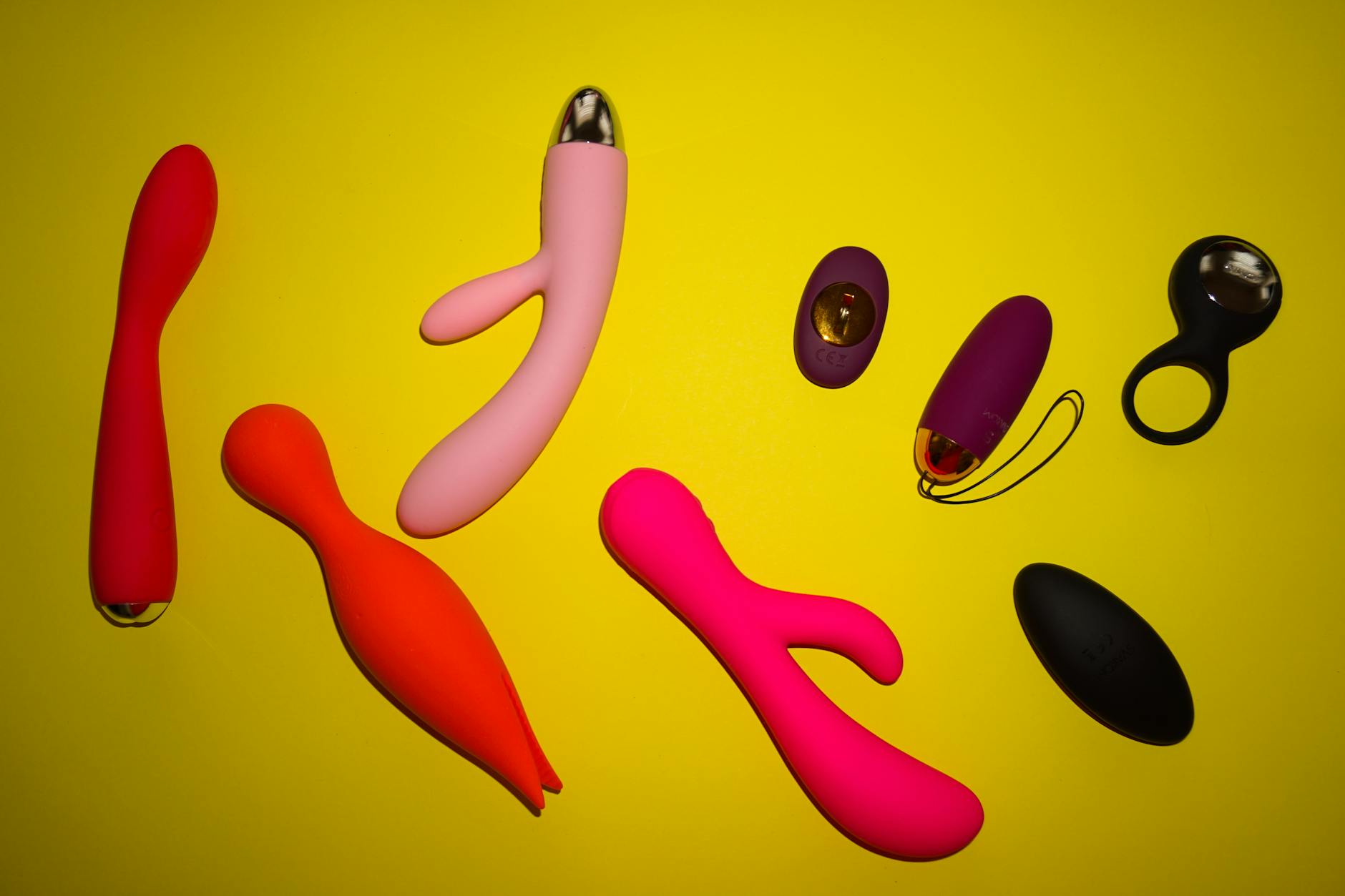
A lemon clitoral vibrator is useful here for one specific reason: it removes the pressure of reciprocal response. When your partner might be watching, waiting for you to finish, or when you're worried about "performing" desire, your nervous system stays guarded. The clitoral suction of the Lem works differently than traditional vibration because it doesn't require the same level of arousal to begin with.
Where other vibrators demand a certain starting temperature of desire, the lemon vibrator can create that temperature. Suction stimulates the clitoris and surrounding nerve clusters in a way that can jump-start the process even when arousal feels dormant. This matters because when desire is unpredictable, you need a tool that works with low baseline arousal, not against it.
The other reason lemon vibrators matter here: they're quiet, controllable, and honestly, a bit playful. Depression is heavy. Using something with the color and personality of the Lem reminds your nervous system that pleasure can be light, accessible, and not a Thing with capital letters.
Starting again with solo exploration
If desire is returning unpredictably, the safest place to experiment is alone. No stakes, no one's expectations, no pressure to perform arousal you don't feel yet.
Start by using the lemon vibrator without any performance goal. Set 15 minutes. Start on the lowest suction pattern. Let yourself notice what your body does when there's zero pressure for it to do anything. Sometimes that means arousal builds. Sometimes it means you relax and nothing happens, and that's also fine.
The point is data gathering. Your body is telling you something about when desire feels available. Does it emerge more easily in the morning? Late evening? After movement? After being alone for a while? Notice the pattern without judgment.
Keep the experience short, even if arousal seems to be building. Depression teaches your nervous system that sustained good feelings aren't safe. By ending sessions before you're exhausted or frustrated, you're communicating to your body that pleasure is available in small doses and that nothing bad happens when you claim it.
Managing the unpredictability with a partner
The conversation to have isn't about whether you're having enough desire. It's about what uncertainty feels like and how you want to navigate it together.
Honestly though, many partners of people recovering from depression expect the worst. When you name what's actually happening. "My body's learning to want again, and it's doing that in fits and starts," it stops being a mystery and starts being real.
If you want to involve a partner, the Lem creates a natural entry point because it's not about them. It's about you learning your body. They can be present without pressure. They can hold space while you explore. But they're not the focus of what's being stimulated.
Some couples find that using a lemon vibrator together becomes a ritual that's lower-pressure than partnered sex. There's less performance anxiety. Desire becomes something you're both curious about rather than something being demanded.
The timeline question: how long does this take
This is where I have to be honest: I can't tell you when unpredictable desire becomes predictable again. For some people it's weeks. For others it's months. For some the answer is that desire never becomes as automatic as it was before the depression, and that's not bad, just different.
What I can tell you is that the unpredictability itself usually smooths out if you keep engaging gently. Each time you use a tool like the lemon vibrator, you're reinforcing to your nervous system that arousal is safe. Repetition builds the belief. Eventually, desire doesn't come back as violently, and it also doesn't disappear as suddenly.
The timeline also depends on whether you're on antidepressants. Some medications further flatten sexual response. Others don't. If you started or changed medication during the depression, it's worth asking your prescriber whether sexual side effects are expected. Sometimes a dose adjustment or medication switch can make a real difference.
What you need to know about self-compassion here
The hardest part of this process isn't usually the unpredictability itself. It's the self-judgment that comes with it. You're grieving the automatic, easy desire you used to have. You're frustrated that your body doesn't work like it did. You're wondering if you'll ever feel normal again.
None of that is wrong. But it's also not going to speed up the process. Your nervous system doesn't heal faster because you're impatient with it. It heals when you stop demanding it to be something other than where it is.
Using a lemon vibrator isn't about chasing some sexual ideal. It's about your body rediscovering that sensation, pleasure, and arousal are still available to you. That matters. Your pleasure matters, even in small, unpredictable bursts.
When to talk to someone about this
If desire doesn't return after several months of being off antidepressants or feeling symptomatically better, that's worth mentioning to a therapist or doctor. Some people's baseline sexual response is genuinely altered by depression, and that's treatable with the right support.
If you're on antidepressants and sexual response flatlined completely, ask about sexual dysfunction as a side effect. It's more common than you'd think and often fixable.
And if unpredictable desire is triggering new anxiety or panic, a therapist who specializes in both depression recovery and sexuality can help you untangle what's actually happening from what fear is telling you is happening.
Your body is finding its way back. That return, even when it's messy and unpredictable, is a real sign of healing.