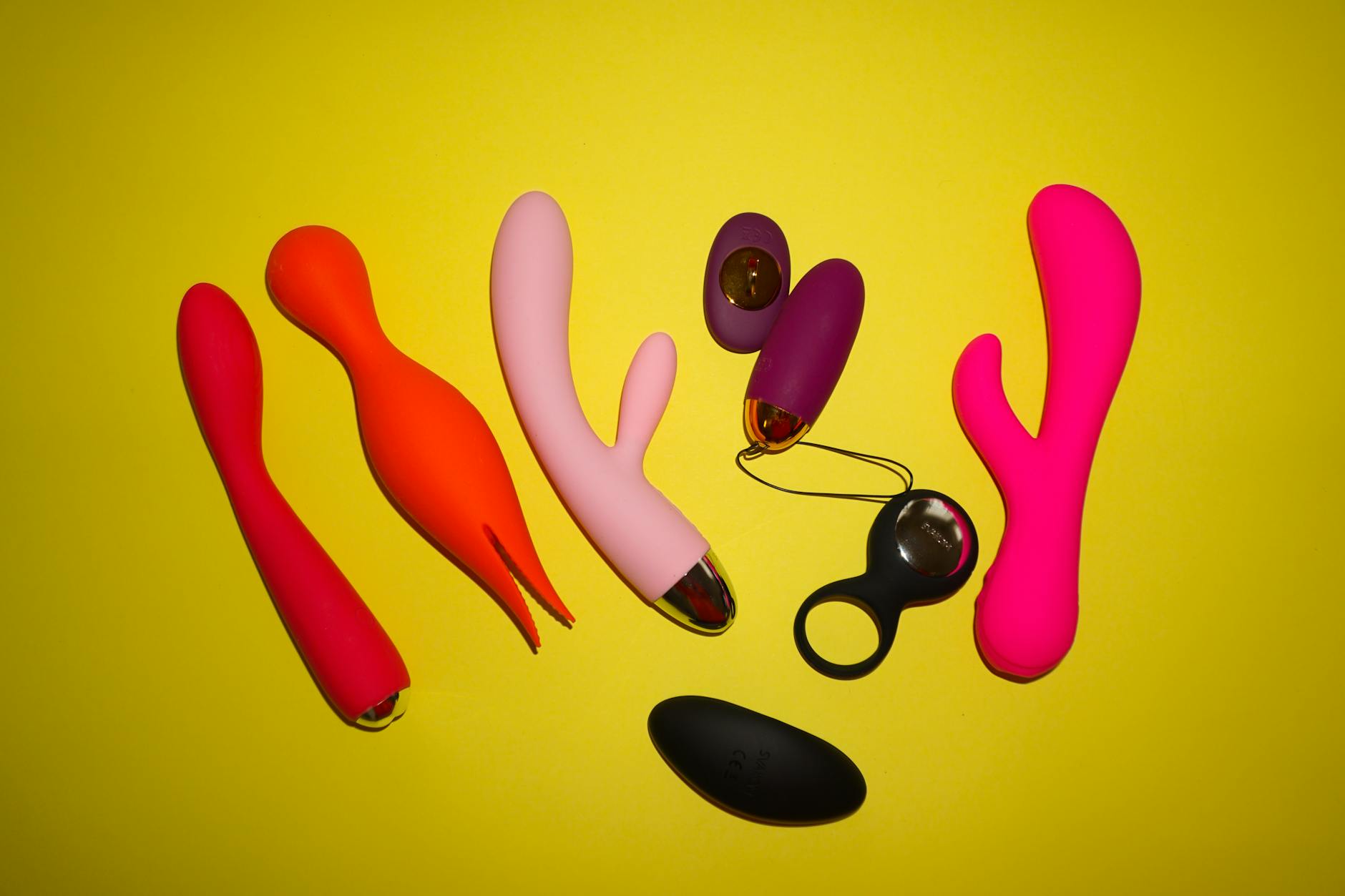
How Lemon Clitoral Vibrators Restore Connection When You Feel Distant From Pleasure
Let's be real. There's a specific kind of loneliness that happens when pleasure stops feeling like it belongs to you. You're not depressed. You're not broken. You're just... numb. Disconnected. Like your body is running on someone else's schedule and you're watching from behind glass.
This isn't uncommon. I see couples in my practice where one partner has drifted so far from their own desire that they can't remember what they actually like anymore. They go through the motions. They have sex. But they're not really there. And the weird part? Sometimes the solution isn't talk therapy or a date night. Sometimes it's permission to reconnect with your own pleasure first, alone, with a tool designed specifically for that rediscovery.
Lemon clitoral vibrators are that tool.
What disconnection from pleasure actually looks like
You might think this only happens after years of neglect, but I've worked with clients who've lost touch with their pleasure after just a few months of stress, grief, or relational friction. The body keeps score. When you're in conflict with a partner, stressed about work, or cycling through emotional exhaustion, your nervous system goes into protection mode. Sex stops feeling like exploration and starts feeling like obligation. Your clitoris doesn't respond the way it used to. Or it responds, but distantly, like you're experiencing it through a wall.
Here's what makes this tricky: you can't will your way back to pleasure. You can't think your way there. You can't fake it until you make it, because your nervous system knows the difference between genuine arousal and performed arousal. That gap between what you want to feel and what you're actually feeling gets wider every time you try to force it.
Why lemon vibrators bridge that gap
A lemon vibrator works differently than your fingers, a partner's hand, or even other toys. The suction-and-pulse technology used in clitoral vibrators like the Lem doesn't require the same level of baseline sensation to trigger response. Here's why that matters for reconnection.
When you're numb, your nervous system needs a specific kind of stimulus to wake up. The lemon clitoral vibrator provides consistent, targeted sensation that your brain can't ignore. It's not aggressive. It's not demanding. But it's precise enough that your body has to pay attention. That attention, repeated over a few sessions, starts to rewire your relationship with pleasure. You're not achieving an orgasm (though you might). You're teaching your nervous system that pleasure is safe again.
Many of my clients describe the first time they use a clitoral vibrator after months of numbness as a kind of relief. Not euphoria. Just relief. Like the lights came back on in a room you'd forgotten was dark.
The stages of reconnection
If you're starting this process, expect three rough phases.
Phase one: permission. This is where you stop thinking of solo pleasure as something you're choosing instead of partnered sex, and start thinking of it as something you're choosing for yourself. The emotional permission to do this alone, without guilt or explanation, is the whole ballgame. Many people get stuck here because they haven't fully believed they deserve solo pleasure. They do.
Phase two: exploration without expectation. You're using a lemon vibrator but you're not trying to come. You're just seeing what happens. What setting feels good? What doesn't? Does sensation build or does it plateau? This phase is messy and non-linear. Some nights you'll feel almost nothing. Other nights, sensation will surprise you. The goal is curiosity, not results.
Phase three: integration. Once you've reconnected with your own pleasure, the question becomes: what do I want to do with this? Sometimes people return to partnered sex transformed. Sometimes they realize they need to renegotiate what sex looks like in their relationship. Sometimes they just feel more alive in their own body, and everything else shifts from there.
This progression isn't fast. It typically takes a few weeks of consistent use before reconnection fully takes hold. But it works.
How this changes your relationship
Here's what I see happen in couples when one partner reconnects with their own pleasure. The dynamic shifts. The person who was numb stops performing. They either engage or they don't, and somehow the honesty of that is more intimate than months of going through the motions. Partners often tell me they'd rather their spouse say "I'm not feeling it tonight" than watch them fake it. The reconnection to solo pleasure gives you access to the truth of what you actually want.
That truth matters. Relationships built on performed pleasure collapse eventually. Relationships built on honest desire, even if that desire is less frequent or looks different than it used to, have actual ground to stand on.
What helps the reconnection stick
Three things I recommend to almost every client working through this.
One: Start with novelty, not baggage. A new tool like a lemon clitoral vibrator works partly because it's not entangled with the history of your disconnection. It has no memory. Your nervous system responds to that newness. As you reconnect, your partner's touch can integrate back in. But don't force that integration too soon. Let the new thing work first.
Two: Set a sustainable rhythm. This isn't about masturbating every day. It's about consistency. Three times a week seems to be the sweet spot where reconnection happens without feeling like another obligation. Pick times when you're not rushed and you won't be interrupted. The nervous system needs safety to let its guard down.
Three: If it's still not working, see a specialist. Sometimes disconnection from pleasure isn't psychological. It's hormonal, medical, or a side effect of medication. A good sex therapist or sex-positive GP can help you sort that out. There's no shame in that route. It's just problem-solving.
The bigger picture
Disconnection from pleasure is your body's way of saying something needs attention. It might be the relationship. It might be your stress load. It might be grief. The tool isn't a Band-Aid. But it is a door. A lemon clitoral vibrator isn't magic. It's a way to show your nervous system that pleasure is worth paying attention to again. The reconnection part, that's on you. But you don't have to do it alone.
People also ask
How long does it take to reconnect with pleasure using a clitoral vibrator?
Most people notice a shift within two to four weeks of consistent use, though true reconnection typically takes six to twelve weeks. Your timeline depends on how long you've been disconnected and what's causing that disconnection. Someone reconnecting after a stressful work season might see faster results than someone navigating deeper relational issues. The important thing is consistency, not speed.
Can I use a lemon vibrator with a partner if I've been using it solo?
Absolutely. In fact, many couples find that when one partner has reconnected with their own pleasure solo, partnered sex becomes better. They know what they like. They can guide their partner. They're not waiting to be turned on by someone else. That agency transforms the dynamic. Start with conversation about what you've learned, then explore together if that feels right.
What if I've reconnected to pleasure but my relationship still feels disconnected?
Recovering your personal pleasure is one piece. Sometimes it's enough. Sometimes it's the foundation for deeper work, and you need couples therapy to address the relational issues. Those aren't mutually exclusive. Personal pleasure reconnection and relationship repair can happen in parallel. Talk to your partner about what you're noticing. If you're stuck, a relationship coach or therapist can help you navigate the next steps.
Does a lemon clitoral vibrator work if I have low sensation sensitivity?
Yes, but you might need to start on a higher setting. The suction technology in clitoral vibrators like the Lem is particularly good for people with lower sensation sensitivity because it engages nerve endings differently than direct vibration alone. If you're sensitive to intense stimulation, you can start lower. If you typically need more, begin higher. There's no wrong way to do this.
What's the difference between reconnecting alone versus trying to reconnect with a partner present?
Reconnection usually works best solo first. When your partner is present, there's an element of performance that creeps back in, even if you don't intend it. Give yourself permission to rediscover pleasure on your own terms. Once that's solid, you can decide what to invite your partner into. The solo practice gives you the foundation to be honest about what you want and need.
Is it normal to feel awkward using a clitoral vibrator for the first time?
Completely normal. You're doing something new, possibly alone for the first time in a long time, possibly with a tool designed specifically for clitoral pleasure. That's vulnerable. The awkwardness usually fades after the first session or two. The trick is to show up anyway. Your nervous system needs to learn that this is safe, and it can only learn that through repetition.
The path forward
Disconnection from pleasure isn't permanent, and it's not a personal failing. It's a signal from your body that something needs attention. Whether that's stress, relational friction, medical factors, or simply drift, the reconnection process looks the same. You give yourself permission. You show up consistently. You let yourself be surprised by what your body wants when it's not performing for anyone else.
A lemon vibrator is a tool for that work. It's not the whole answer. But it's a place to start. And sometimes, starting is exactly what your relationship needs.
Have questions about reconnecting with your pleasure or about navigating this shift in your relationship? Reach out to us at /contact. We're here to help.
Sources & References
Gottman, John M., & Silver, Nan. (2015). The Seven Principles for Making Marriage Work. Harmony Press.
Perel, Esther. (2018). Mating in Captivity: Unlocking Erotic Intelligence. Harper Perennial.
Brotto, Lori A., & Kaufman, Miriam. (2015). Sexual Well-being, Pleasure, and Satisfaction in Women with a History of Genital Cutting. Journal of Sexual Medicine, 12(2), 518-527.
Baker, Robin M., & Bellis, Mark A. (1995). Human Sperm Competition. Chapman & Hall.